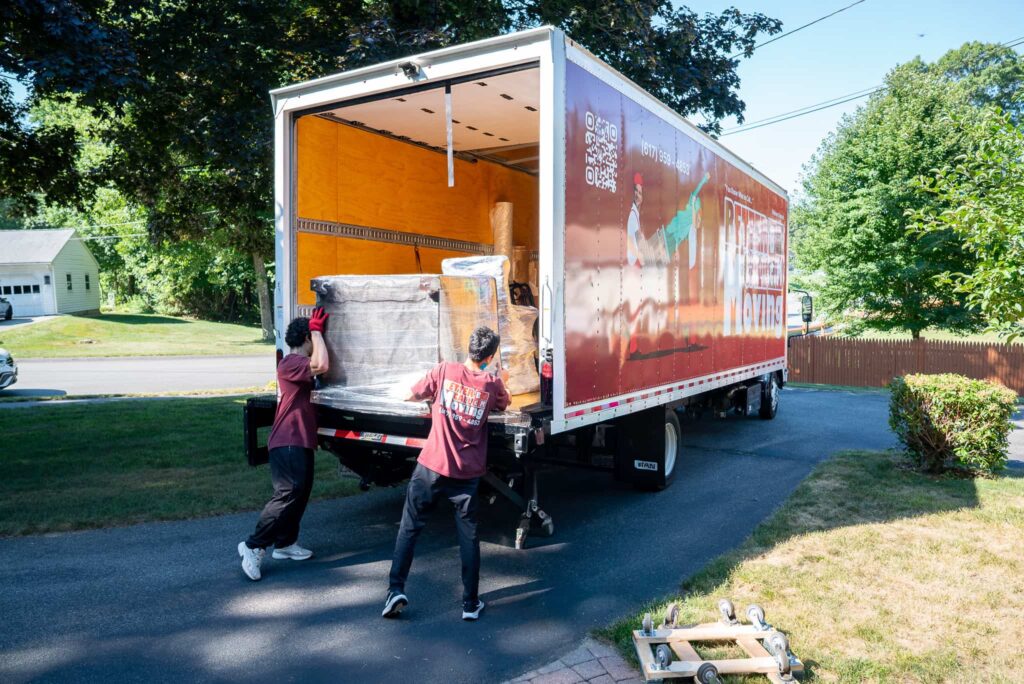
Moving day does not truly end when the last piece of furniture comes off the truck. Once your belongings have been delivered, there are still several important steps to complete. A proper post-move completion process helps you confirm that everything arrived safely, identify any issues promptly, organize your new home, and start settling in with less stress.
Many people are so relieved to see the moving truck leave that they immediately begin unpacking without taking time to inspect the home and their belongings. While unpacking is certainly exciting, taking a few extra minutes to complete a careful post-move check can save you time and frustration later. In this guide, we explain what to do after your movers finish, how to inspect your belongings, what to document, and how to make the transition into your new home easier.
Key Takeaways
| Point | Details |
|---|---|
| Inspect before the crew leaves | Walk through the home and check large furniture while the movers are still on site — issues are easiest to address right away. |
| Document everything | Photos, the inventory list, and your moving paperwork are your record if a question comes up later. |
| Know the claim window | For interstate moves, you have 9 months from delivery to file a written claim, per the FMCSA. |
| Keep the packaging | Hold on to boxes from fragile items until you’re sure everything arrived safely. |
| Settle in gradually | Bedroom, bathroom, and kitchen first — the rest can wait a few days. |
Your Post-Move Timeline at a Glance
Post-move tasks don’t all happen at once. Here’s what to focus on and when:
| When | What to do |
|---|---|
| Before the crew leaves | Walk through the home, check the inventory, inspect large and reassembled furniture, check the truck is empty |
| First evening | Set up the first-night area, make the beds, check utilities, open boxes with fragile items |
| First few days | Test appliances and electronics, review the final invoice, report any damage, anchor tall furniture and TVs |
| First 30 days | Update your address with the RMV, banks, and other organizations; finish unpacking room by room |
What Does Post-Move Completion Mean?
Post-move completion refers to the steps taken after your local movers have unloaded the truck and completed the delivery.
This stage includes checking your belongings, inspecting furniture and the property, confirming that all items were delivered, organizing important paperwork, and addressing any concerns with the moving company. The goal is simple: make sure the move has been completed properly before you move on to the unpacking and settling-in process.
Although the unloading process may seem like the final step, a professional move should also include a careful review of the completed service.
Start With a Walkthrough of Your New Home
Before opening boxes, walk through the entire home. Look at the floors, walls, stairs, doors, railings, and other areas where movers carried furniture and boxes. Pay attention to areas that may have been difficult to navigate.
You do not need to spend hours inspecting every corner. A basic walkthrough can help you notice anything that appears different from the condition of the property before the move. This is especially important when moving into a rental property or apartment.
If you notice a new mark, scratch, dent, or other issue, take a photograph as soon as possible. Documenting the condition of the property shortly after delivery gives you a clear record of what you observed.
Pro Tip: If you took photos of the new home before move-in (or received move-in condition photos from your landlord), compare them during the walkthrough. A side-by-side check is faster and more accurate than relying on memory.
Check Your Inventory
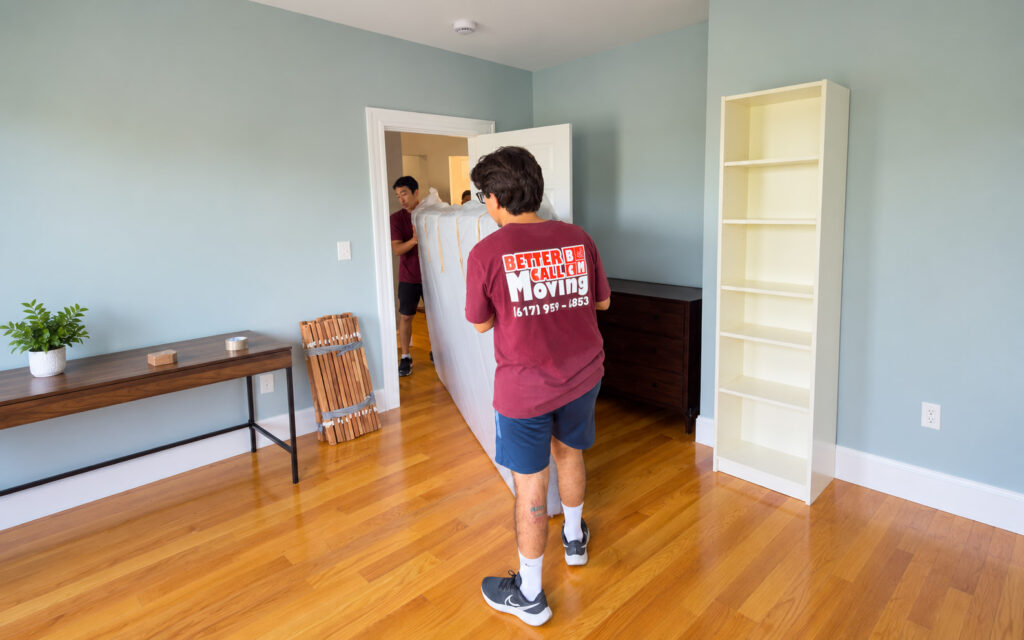
One of the most important parts of post-move completion is confirming that your belongings have arrived. If you created an inventory before moving day, use it as a checklist during the unloading process.
Start with larger and more important items, including:
- Beds and mattresses
- Sofas and sectionals
- Tables and chairs
- Dressers and cabinets
- Large appliances
- Electronics
- Specialty items
- Boxes labeled as fragile
You do not necessarily need to open every single box immediately. First, make sure that the major items and the expected number of boxes are present. If something appears to be missing, check the truck and surrounding areas before the movers leave.
Q: What if I didn’t make an inventory list before the move?
A: Count boxes by room label and check off the large furniture pieces you know you own. For interstate moves, the mover’s inventory or bill of lading can also serve as your reference.
Inspect Furniture Before the Crew Leaves
Large furniture should be inspected before the moving crew departs. Look at tables, chairs, couches, dressers, bed frames, cabinets, and other major pieces for visible damage:
- Scratches
- Dents
- Cracks
- Broken legs
- Loose components
- Damaged finishes
- Torn upholstery
- Broken glass
- Missing hardware
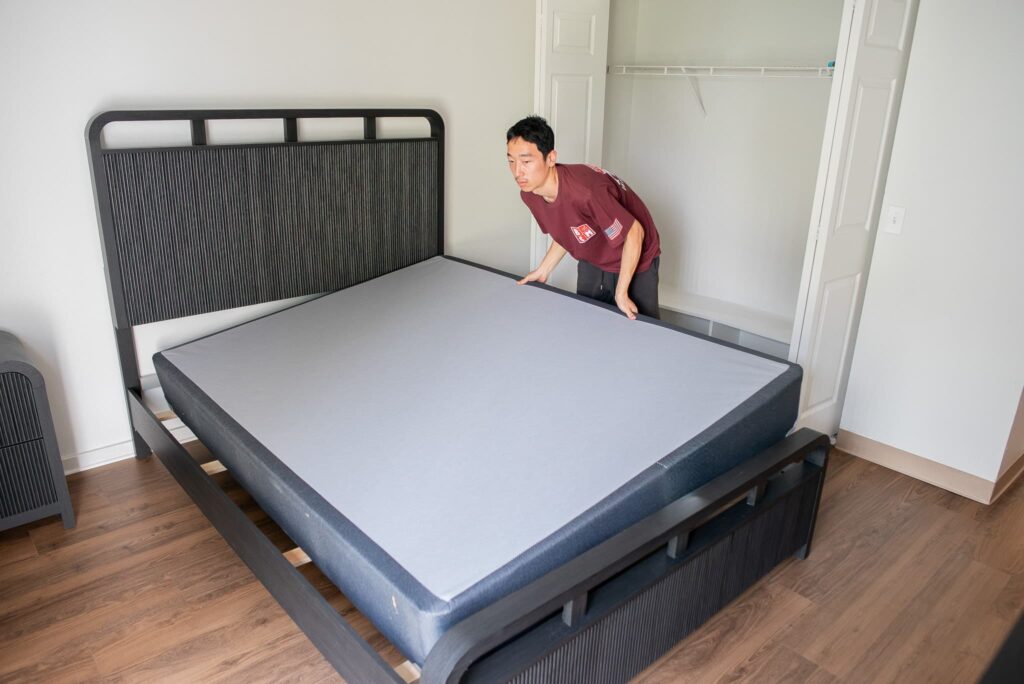
You should also inspect items that were disassembled and reassembled. Make sure furniture appears stable and that screws, bolts, brackets, and other hardware are properly installed.
If something does not look right, notify the moving company promptly and document the issue.
Post-Move Inspection Checklist
| What to check | What to look for | When |
|---|---|---|
| Floors, walls, stairs, doors | New marks, scratches, dents | Before the crew leaves |
| Large furniture | Scratches, cracks, broken legs, torn upholstery | Before the crew leaves |
| Reassembled items (beds, tables) | Stability, missing or loose hardware | Before the crew leaves |
| Fragile items | Internal damage, even if the box looks fine | Same day |
| Appliances and electronics | Power on, normal operation | First few days |
Pay Special Attention to Fragile Items
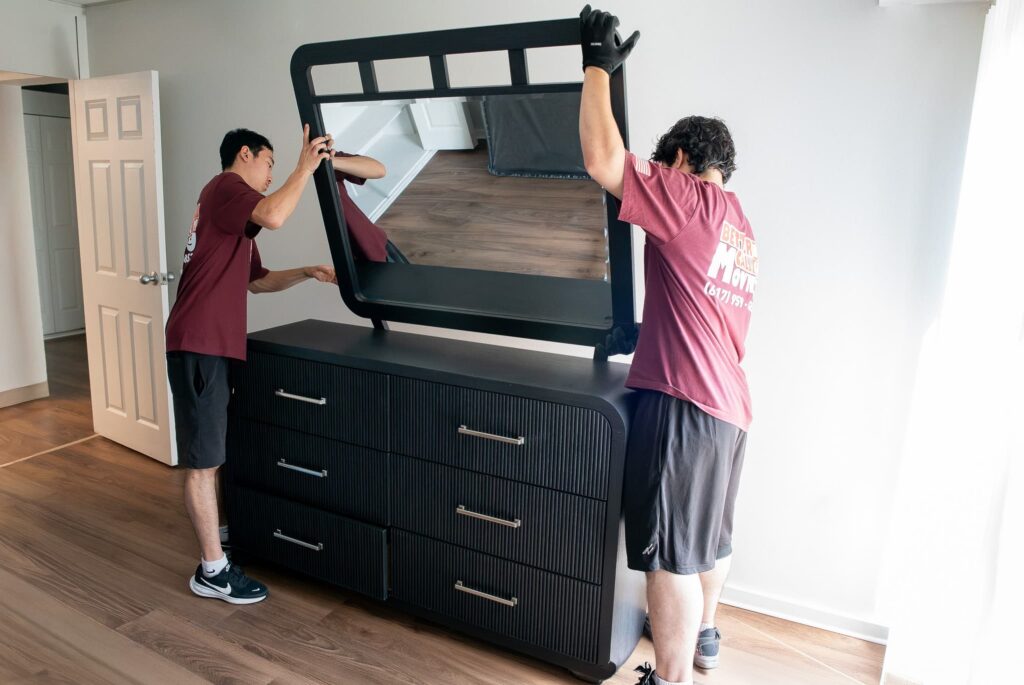
Certain belongings deserve additional attention immediately after delivery. Glass tables, mirrors, artwork, televisions, computers, lamps, dishes, antiques, and other fragile possessions should be inspected carefully.
Do not assume that because the outside of a box looks fine, everything inside is undamaged. Internal damage can sometimes occur even when the packaging has only minor signs of impact.
For particularly valuable or fragile items, open the packaging carefully and inspect the item before discarding the packaging materials. Keeping the original packaging can also be useful if an issue is discovered later.
Take Photos and Keep Documentation
Photos are one of the simplest ways to document the condition of your belongings after a move. Take clear pictures of any damage you discover. Try to capture the entire item as well as close-up photographs of the specific damaged area.
Keep any relevant documentation, including:
- Your moving estimate
- Moving contract or service agreement
- Inventory list
- Delivery paperwork
- Receipts
- Photos and videos
- Written communications with the moving company
Having organized documentation can make communication much easier if a problem needs to be reviewed.
Pro Tip: Create one folder on your phone or in cloud storage named after your move date and save everything there — photos, the contract, the invoice, and screenshots of messages. If you ever need it, it takes seconds to find.
Do Not Rush to Throw Away Boxes
After moving into your new home, it may be tempting to immediately break down all the boxes and throw away the packing materials. However, it is a good idea to keep the boxes and protective materials for a little while, especially when they contain important or fragile belongings.
If you later discover that an item was damaged during transportation, the original packaging may help provide useful information when documenting the condition of the item. For this reason, unpacking gradually and keeping packing materials until you are confident everything arrived safely can be a smart approach.
Don’t want to unpack alone? Our Settle-In Services team can unpack boxes, set up furniture, and remove packing materials, so your new home feels ready faster.
Book a Move →
Test Important Appliances and Electronics
Once your furniture has been placed, take some time to check your important appliances and electronic equipment. This can include refrigerators, freezers, washing machines, dryers, televisions, computers, monitors, kitchen appliances, lamps, and other major electrical items.
Some appliances may need special installation or a waiting period before they can be safely used, so always follow the manufacturer’s recommendations. Gas appliances, electrical equipment, and plumbing connections should also be properly installed and checked before use to ensure everything is safe.
| Appliance | What to check after the move |
|---|---|
| Refrigerator / freezer | Follow the manufacturer’s guidance on how long to wait before plugging in after transport; check it cools before loading food |
| Washer | Remove transit bolts if installed, reconnect hoses, run a short empty cycle and check for leaks |
| Gas dryer or stove | Have a licensed professional connect and test the gas line |
| TV, computers, monitors | Check screens and ports; confirm all cables and remotes arrived |
Anchor Tall Furniture and TVs
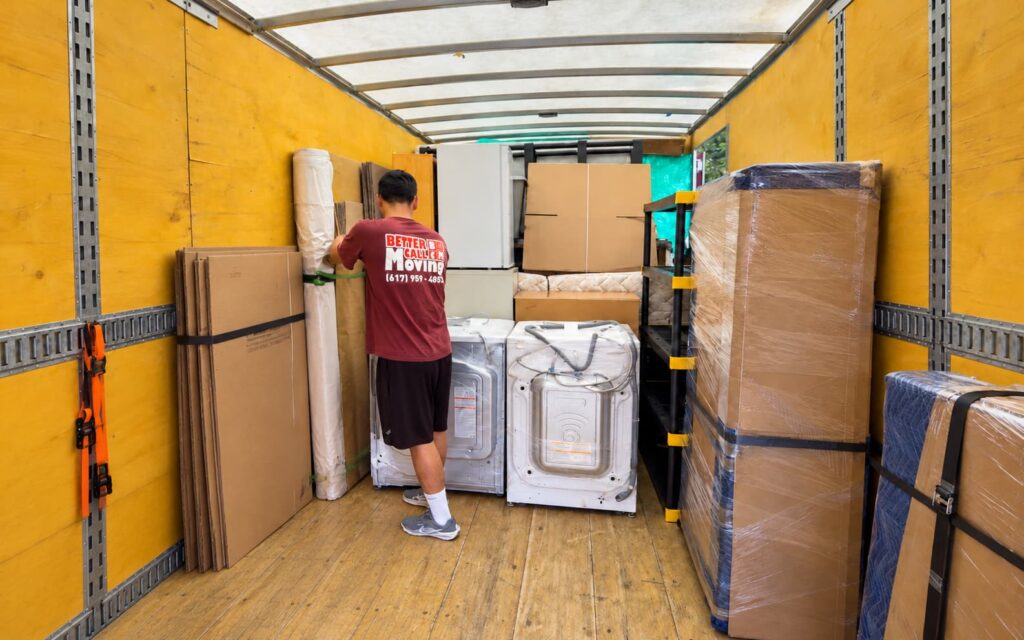
While you’re setting up, secure tall or top-heavy pieces. The U.S. Consumer Product Safety Commission recommends anchoring TVs, dressers, and bookcases to the wall to prevent tip-overs, especially in homes with young children. Its Anchor It! campaign explains how to do it with inexpensive anchor kits.
Create an Essential First-Night Area
Your first evening in a new home can be much more comfortable if you have a designated area with everything you may need right away.
Set aside essentials such as toiletries, phone chargers, medications, important documents, a change of clothes, towels, bedding, basic kitchen supplies, water, snacks, and pet supplies. Having these items together means you will not have to search through numerous boxes after a long moving day.
This can be especially useful during long-distance moves when you may not have the time or energy to unpack everything immediately. If you didn’t pack one yet, our checklist of things people forget to do before moving includes a full first-night box list.
Organize Before Fully Unpacking
There is no need to unpack every box on the first day. Trying to organize the entire home at once can actually create unnecessary stress and clutter.
Instead, focus on the rooms and belongings you need most. Many people prefer to set up the bedroom and bathroom first, followed by the kitchen and living areas.
As you unpack, try to keep similar belongings together and plan where items should go before moving them around repeatedly. Taking a gradual and organized approach can make the entire unpacking process much easier.
| Priority | Room | Why first |
|---|---|---|
| 1 | Bedroom | A made bed means real rest after moving day |
| 2 | Bathroom | Toiletries, towels, and toilet paper are needed right away |
| 3 | Kitchen | Basic dishes and a working fridge cut takeout costs |
| 4 | Living areas | Can be finished over several days |
| 5 | Storage, garage, extra rooms | Lowest urgency — unpack last |
Handle Damage or Missing Items Promptly
If you notice that something is damaged or missing after the move, contact your moving company as soon as possible. Provide clear details about the problem and include photographs or other documentation when appropriate.
Rather than simply saying that furniture was damaged, identify the specific item, explain what type of damage occurred, and mention when you noticed it. Providing accurate information allows the moving company to understand the situation and review the issue more efficiently.
It is also a good idea to keep copies of any related communication and documentation.
Claim Timelines: Local vs. Interstate Moves
Who oversees your move depends on where it goes. Moves within Massachusetts are regulated by the state Department of Public Utilities (DPU), while moves that cross state lines fall under the federal FMCSA.
| Interstate move (FMCSA) | Move within Massachusetts (DPU) | |
|---|---|---|
| Who to contact first | Your moving company | Your moving company |
| Deadline to file a written claim | 9 months from delivery | Check your mover’s contract and tariff |
| Mover’s response | Acknowledge within 30 days, decide within 120 days | Per your contract and tariff |
| If it can’t be resolved | Mover’s dispute settlement program; FMCSA complaint tool | Contact the Massachusetts DPU |
Under both systems, the basic liability movers must include at no extra cost is limited to 60 cents per pound per item, so it’s worth knowing which protection you chose before the move. Our guide on how to avoid moving problems and unnecessary claims covers how to prevent most issues in the first place.
Review the Final Charges
After the move is completed, take a few minutes to review your final paperwork and invoice. Make sure you understand the services that were provided and check whether any additional charges were included.
Depending on the type of move, additional costs may involve extra labor, stairs, specialty items, packing materials, storage, travel time, or other services.
If you are unsure about any charge, contact the moving company and ask for an explanation. Understanding your final bill helps ensure that the moving process is properly completed.
Check Your New Home’s Utilities and Services
Finally, confirm that the essential utilities and services at your new home are working properly. Check your electricity, water, heating or cooling, internet connection, and building access.
If applicable, also make sure you understand your parking arrangements and know how trash and recycling services work in the new area. Taking care of these details early can help you settle into your new home more comfortably and avoid unnecessary problems after the move.
If you are moving into an apartment or condominium, make sure you also understand building rules, package delivery procedures, parking restrictions, and other important policies. Taking care of these details early can prevent unnecessary inconvenience later.
Pro Tip: Locate the electrical panel, the main water shut-off valve, and the smoke and carbon monoxide detectors on your first day. You’ll want to know where they are before you need them.
Update Your Address
Your move is not finished until your address has been updated with the organizations and services that need your current information. Depending on your circumstances, this may include your bank, employer, insurance providers, government agencies, subscriptions, medical providers, and other important contacts.
You may also want to update your mailing address and make sure future packages and deliveries are directed to the correct location. If you haven’t set up mail forwarding yet, do it through the official USPS Mover’s Guide.
In Massachusetts, you are required by law to notify the RMV within 30 days of changing your address. You can do it online through the RMV change of address service.
Give Yourself Time to Settle In
One of the biggest mistakes people make after moving is expecting everything to be perfect immediately. A move is a major transition. It can take several days or even weeks to unpack, organize furniture, decorate, and establish new routines.
Focus on the essentials first. Get the bedroom comfortable, make the kitchen functional, organize the bathroom, and create a safe and comfortable living space. The rest can happen gradually.
Why Post-Move Completion Matters
A careful post-move process benefits both customers and moving companies. For customers, it provides an opportunity to confirm that belongings arrived safely and that the service was completed properly. For moving companies, clear post-move communication helps resolve questions efficiently and maintain a positive customer experience.
A successful move is not simply about transporting boxes from one location to another. It is about safely delivering a customer’s belongings and helping them transition into their new space.
The moving truck leaving your driveway does not necessarily mean the moving process is over. Post-move completion is an important part of the overall experience. Take time to walk through the property, verify your inventory, inspect major furniture and fragile belongings, document any concerns, review your paperwork, and organize your essential items.
Avoid rushing through the unpacking process. Give yourself time to identify potential issues and settle into your new home at a comfortable pace. The best moving experience continues beyond loading and unloading. With proper post-move preparation, you can finish the process confidently, protect your belongings, and start enjoying your new home sooner.
A successful move is not just about getting there — it is about finishing the journey properly.
Planning a move in Boston or Greater Boston? Better Call Moving handles the heavy lifting, protects your furniture, and helps you finish the move properly. Learn more about our Boston movers.
Get Your Free Quote →
Frequently Asked Questions
What should I do right after the movers finish unloading?
Before the crew leaves, walk through the home, count your boxes and large items against your inventory, and inspect major furniture — especially pieces that were disassembled and reassembled. Check the truck is empty. If you notice damage or a missing item, mention it to the crew right away and take photos.
Should I check every box before the movers leave?
No. Confirm that large items and the expected number of boxes are present, and inspect fragile items as soon as possible. You can open the remaining boxes gradually over the next few days, as long as you keep the packaging until you’re sure everything arrived safely.
How long do I have to report moving damage?
For interstate moves, federal rules give you 9 months from delivery to file a written claim, and the mover must acknowledge it within 30 days. For moves within Massachusetts, check your mover’s contract and tariff, and contact the state DPU if the issue cannot be resolved. In every case, reporting promptly with photos makes the process easier.
Should I keep moving boxes after unpacking?
Keep the boxes and packing materials from fragile or valuable items until you’re confident everything arrived undamaged. If damage is found later, the original packaging helps document what happened. Once you’re sure, break the boxes down for recycling or store a few for future use.
What should I unpack first after moving?
Start with the bedroom and bathroom, then the kitchen. A made bed, working shower, and basic dishes cover the first few days. Living areas, storage rooms, and decor can be finished gradually over the following week.
Recommended Reading