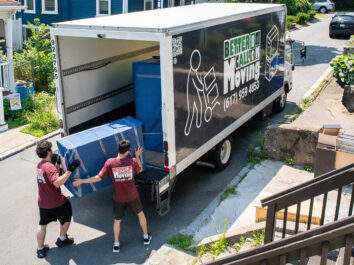
Hiring movers should make your moving day easier — but the day still needs a little preparation.
Most delays do not happen because of the heavy furniture. They happen because small things are not ready: boxes are still open, the truck has nowhere to park, the elevator is not reserved, or nobody knows which items stay and which items go.
Here is a simple checklist to help your movers work faster, safer, and with fewer surprises. It covers how to prepare for movers in the days before the move and on the morning the crew arrives.
Key Takeaways
| Point | Details |
|---|---|
| Pack everything small | If it fits in a box, it should be packed, closed, and taped before the crew arrives. |
| Label on the side | Room names on the side of each box stay visible when boxes are stacked. |
| Plan truck access | In Boston, a moving truck permit isn’t required but reserves a legal spot, per the City of Boston. |
| Warn about special items | Pianos, safes, stone tops, and long carries change the crew size and equipment needed. |
| Keep valuables with you | IDs, medications, jewelry, documents, and laptops should never go on the truck. |
Moving Day Prep Timeline
Most of the preparation happens before the truck arrives. Here is when to do what:
| When | What to do |
|---|---|
| 1–2 weeks before | Tell the movers about heavy or special items, arrange parking or a permit, reserve the elevator or loading dock |
| 2–3 days before | Finish packing small items, label boxes by room, empty drawers and shelves |
| The day before | Unplug and photograph electronics, set aside personal items, prepare the “Do Not Move” area |
| Moving morning | Clear the path to the truck, keep the entry dry, walk the crew lead through the home |
| Before the truck leaves | Do a final walkthrough of closets, cabinets, and storage areas |
For the bigger picture — utilities, address changes, insurance, and more — see our full checklist of things to do before moving.
1. Finish Packing Small Items Before Movers Arrive
If you did not book packing service, try to have all small items packed before the crew arrives.
Clothes, dishes, books, bathroom items, toys, decorations, tools, and kitchen supplies should be inside boxes. Boxes should be closed and taped.
Movers can wrap furniture, protect large pieces, and load the truck, but loose items slow everything down. Open boxes can spill, small things can get lost, and moving day becomes longer than it needs to be.
A good rule: if it fits in a box, pack it before moving day.
Pro Tip: Pack heavy items like books and dishes in small boxes, and light items like pillows and linens in large ones. Overloaded large boxes are hard to carry and more likely to break. If you’re short on boxes or tape, you can order moving supplies and have them delivered before moving day.
What Movers Usually Won’t Load
Most moving companies do not transport hazardous or perishable items. Plan to move, use up, or dispose of these yourself:
- Gasoline, propane tanks, and lighter fluid
- Paint, solvents, and cleaning chemicals
- Aerosol cans and fireworks
- Perishable food and plants (for long-distance moves)
Ask your mover for its full list before moving day so nothing gets left behind at the last minute.
2. Label Boxes By Room
Labels do not need to be fancy. They just need to be clear.
Instead of writing “stuff,” write:
- Kitchen — plates
- Bedroom — clothes
- Living Room — books
- Bathroom — towels
- Office — computer items
Put the label on the side of the box, not only on the top. When boxes are stacked, the top label disappears.
This helps the crew place boxes in the right rooms at the new address and saves you time when unpacking.

| Label | What it tells the crew |
|---|---|
| Room name (e.g. Kitchen) | Where the box goes at the new home |
| FRAGILE | Handle carefully, don’t stack heavy boxes on top |
| THIS SIDE UP | Keep upright during loading and transport |
| OPEN FIRST | Essentials for the first night — keep accessible |
| DO NOT MOVE | Stays with you, not on the truck |
3. Keep Personal Items With You
Some things should not go inside the moving truck.
Before movers arrive, set aside a small bag or box with items you will carry yourself:
- Passports and IDs
- Medications
- Jewelry
- Cash
- Important documents
- Laptops and chargers
- Keys
- Wallets
- Anything very personal or hard to replace
Put these items in your car or in a clearly marked “Do Not Move” area.
This avoids confusion and gives you peace of mind during the move.
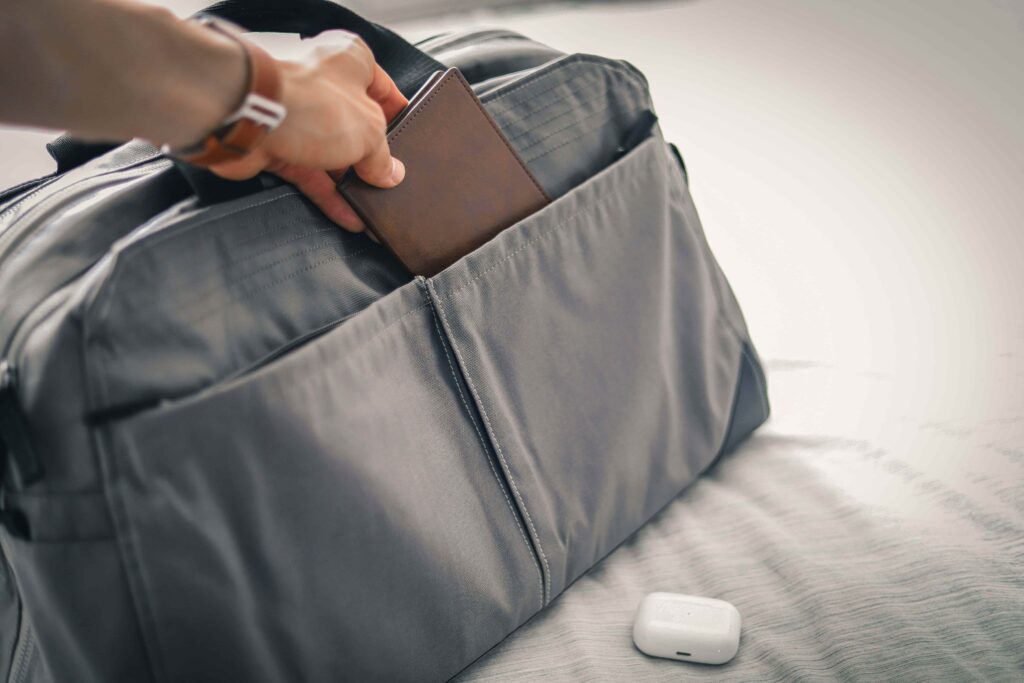
Pro Tip: Choose a bathroom or a closet as your “Do Not Move” room, close the door, and tape a sign on it. Tell the crew lead when they arrive — it’s the simplest way to make sure nothing personal ends up on the truck.
4. Clear The Path For The Crew
Movers need space to work safely.
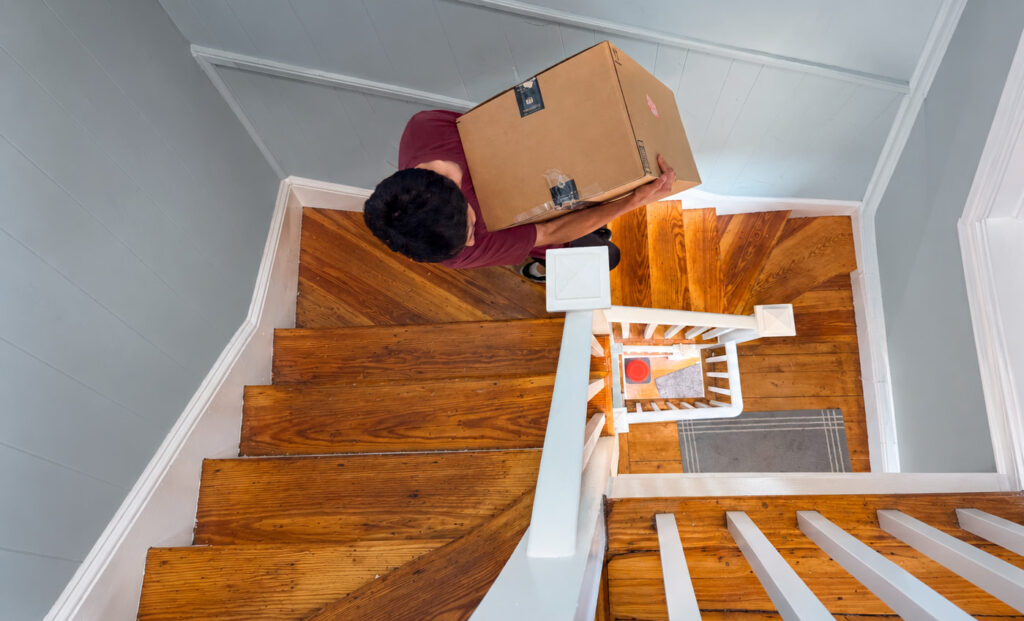
Before the truck arrives, clear hallways, stairs, doorways, and the walking path from your home to the truck. Move shoes, rugs, plants, small tables, toys, and anything that can get in the way.
If it is raining or snowing, try to keep the entry area clean and dry. A clear path helps protect your floors, walls, furniture, and the moving crew.
In winter, shovel and salt the driveway, walkway, and front steps the evening before. Icy steps are one of the biggest safety risks on a moving day.
5. Plan Parking Before Moving Day
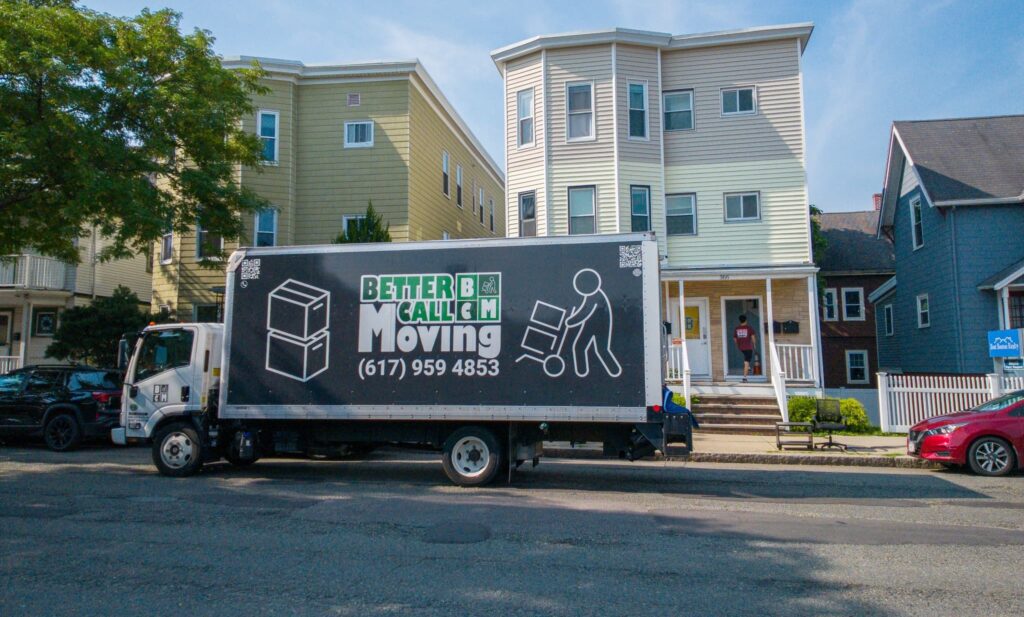
Parking can make a big difference, especially in Boston, Cambridge, Somerville, Brookline, and other busy areas.
If the truck cannot park close to your building, movers have to walk farther with every box and every piece of furniture. That adds time and makes the move harder.
Before moving day, check if you need:
- A moving truck permit
- Reserved street parking
- Loading dock access
- Building manager approval
- Elevator reservation
- Certificate of insurance for your building
In Boston, a moving truck permit is not required, but it guarantees a legal parking spot on moving day. A one-day permit for two non-metered spaces costs $69 and includes two signs, according to the City of Boston Parking Clerk. Rules and fees differ in Cambridge, Somerville, and Brookline — our guide on whether you need a parking permit for a moving truck covers each area.
The better the access, the smoother the move.
6. Prepare Furniture Before The Crew Arrives
You do not have to disassemble everything yourself, but it helps to prepare the furniture.
Remove small items from desks, nightstands, shelves, and cabinets. Take fragile items out of drawers. If you already removed screws or hardware, place them in a small bag and label it.
For beds, tables, shelves, or office furniture, tell the movers ahead of time if something needs to be disassembled and reassembled.
This helps the crew bring the right tools and plan the work correctly.
| Task | You | Movers |
|---|---|---|
| Empty drawers, shelves, and cabinets | ✔ | |
| Bag and label loose screws and hardware | ✔ | |
| Disassemble and reassemble beds, tables | ✔ (tell them in advance) | |
| Wrap and pad furniture | ✔ | |
| Disconnect gas, plumbing, hard-wired electrical | ✔ (licensed pro) |
7. Unplug Electronics And Appliances
Before movers arrive, unplug TVs, computers, lamps, speakers, routers, and other electronics.
Take a quick photo of the wire setup before disconnecting anything. It makes setup much easier at the new place.
For appliances like washers, dryers, refrigerators, or ice makers, check what needs to be disconnected in advance. Movers can move heavy appliances, but plumbing, gas, or electrical disconnection may need to be handled before moving day.
Q: When should I unplug and defrost the refrigerator?
A: Empty it and unplug it about 24–48 hours before the move so the freezer can defrost and the inside can dry. Leave the doors slightly open to prevent odors.
8. Tell Movers About Heavy Or Special Items
Some items need extra planning.
Let your moving company know ahead of time if you have:
- Piano
- Safe
- Large glass table
- Marble or stone top
- Gym equipment
- Oversized couch
- Very heavy dresser
- Long walk from door to truck
- Stairs with no elevator
This helps the company send the right crew, equipment, and truck.
Surprises on moving day can slow the job down. Clear information helps everyone. Some of these items also come with extra charges — our guide on heavy item fees when moving explains why and how to plan for them.
It also helps to check that your mover is properly licensed. In Massachusetts, companies that handle moves within Massachusetts must be licensed by the Department of Public Utilities, while interstate movers are registered with the federal FMCSA Protect Your Move program.
Moving locally in Greater Boston? Our local movers come with the right tools, padding, and crew size for your home — just tell us about any special items when you book.
Book a Move →
9. Make A Simple Plan For The New Place
Before the truck arrives at the new address, decide where the main furniture should go.
You do not need a perfect floor plan. Just know where the bed, couch, dining table, desks, and large items should be placed.
If possible, label rooms at the new place:
- Bedroom 1
- Bedroom 2
- Office
- Storage
- Kids Room
This helps movers place everything correctly the first time.
Pro Tip: Tape a sign with the room name on each door at the new home, using the same names you wrote on the boxes. The crew can match boxes to rooms without asking you every few minutes.
10. Do One Final Walkthrough
Before the truck leaves, walk through the home one more time.
Check:
- Closets
- Cabinets
- Bathroom drawers
- Kitchen drawers
- Basement
- Attic
- Balcony
- Storage unit
- Laundry area
- Garage
- Behind doors
Small items are easy to miss when the move is busy.
A final walkthrough takes only a few minutes and can save a lot of frustration later. Once everything is delivered, our guide on what to do after your movers finish covers the next steps.
Final Tip: Good Preparation Saves Time
You do not need your home to look perfect before movers arrive. You just need the important things ready.
When boxes are packed, parking is planned, paths are clear, and the movers know what to expect, the whole day runs faster and easier. Less stuff also means fewer hours — if you still have time, decluttering before moving is one of the easiest ways to cut the cost of the move.
At Better Call Moving, our team comes prepared to protect your furniture, handle heavy items, and keep your move organized from start to finish.
Planning a move in Boston or Greater Boston? Contact Better Call Moving and let our Boston movers help you get ready for moving day.
Get Your Free Quote →
Frequently Asked Questions
How do I prepare for movers?
Pack and tape all small items, label boxes by room on the side, set aside personal items and valuables, clear the path from your door to the truck, and arrange parking or a truck permit. Tell your mover in advance about heavy or special items so they send the right crew and equipment.
Should I empty dressers before movers come?
Yes. Empty drawers make dressers lighter, safer to carry, and less likely to break. Take out fragile items, liquids, and valuables. Some movers allow soft clothing to stay in light dressers — ask your moving company ahead of time.
Do movers disassemble furniture?
Most professional movers can disassemble and reassemble beds, tables, and similar pieces. Tell them in advance which items need it so they bring the right tools and plan enough time. Keep any screws and hardware you remove yourself in a labeled bag.
What should I not pack for movers?
Keep passports, IDs, medications, jewelry, cash, important documents, laptops, and keys with you. Movers also usually won’t load hazardous items like gasoline, propane, paint, or aerosols, or perishable food. Ask your mover for its full list of non-allowable items.
What should I do on the morning of the move?
Clear hallways and doorways, keep the entry dry, put your “Do Not Move” items aside, and make sure the truck has a place to park. When the crew arrives, walk the crew lead through the home and point out fragile items, special pieces, and anything that stays.
Recommended Reading