Moving is hands down, no doubt one of life’s most stressful events—from complex logistics and heavy lifting to unexpected delays, managing it alone can get overwhelming so fast. Here at Better Call Moving we provide helpful moving support and simplified moving logistics when it comes to making your relocation smooth, and hassle free moving from the very first chat. In fact you can book a crew and your move can be over and done with during that first call, it’s that simple but there are some things to know before jumping into move day. Price hunting and quote’ing around can easily go sideways or distract you from high priority questions when choosing movers. Choosing the right fully licensed and insured moving company gives you complete peace of mind, protect your assets every step of the way, booking out of impulse quickly leads to mistakes and rushed crews, it is one of the biggest overlooked mistakes in the industry.
Understanding Full-Service Moving
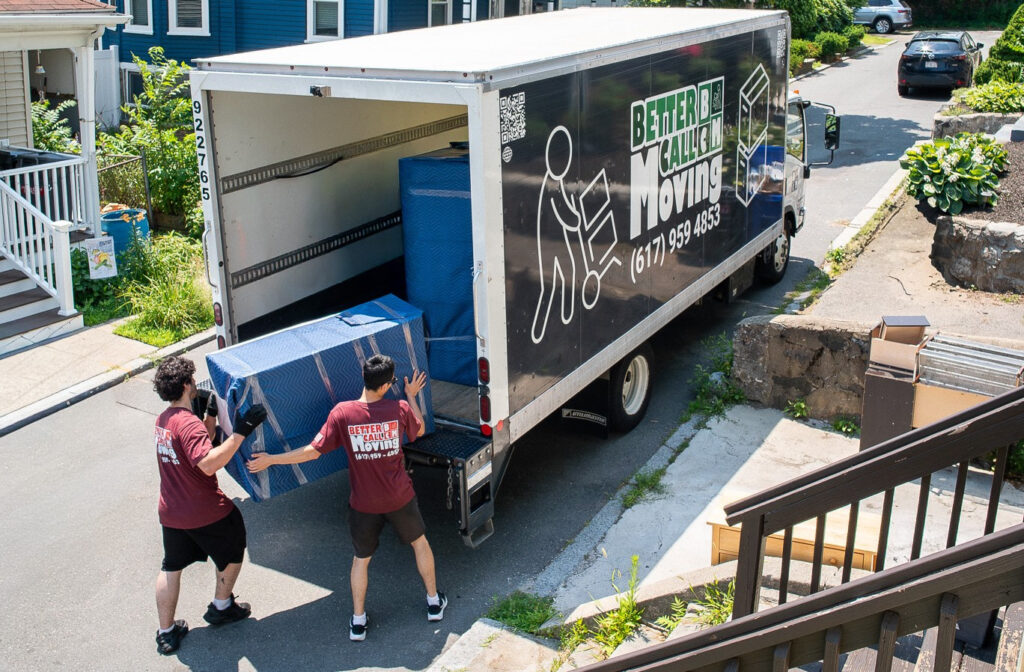
Why hire professionals? You can prevent injury, stop future family and friend disputes, avoid planning mistakes, dissolve truck rental fees and really what it comes down to most importantly, it protect your investment, your belongings. Professional residential movers bring specialized equipment—such as heavy-duty moving dollies, thick furniture pads, custom collin bin box setups, and protective floor covers—to shield your home and property from damage, furniture damage, and speed things up.
Service Type: Labor only movers handle only the loading and/or unloading. A full service move covers the complete move, packing, disassembly, transportation, unloading, and unpacking. The difference between the two options is purely time, one takes longer than the other, there are no hourly price changes between those two service types, the only thing that would change is the amount of labor hours worked in total.
Contract Type: Local moves are typically billed at an hourly rate based on crew size and truck count, these are typically closer under 100 miles from our home base or within the same state, special circumstances may qualify a nearby state as local move. Long distance moves are calculated differently at a flat rate, it’s rare to have an hourly long distance move but under customer request it can be configured. Cross-country long-distance moving relies on total freight shipment weight or cubic volume measurements rather than hourly tracking.
Hourly Rate: Total pricing depends on calculated job hours, travel distance, time of year, and possible add-on services and/or crew size, you may add or adjust the rate during your quoting processes bottom line is your rate is your magic number. Rates and crews pricing change due to volume and demand but bottom line this is your bread and butter, sometimes a $20.00 dollar increase on the hourly rate can save you multiple hours off the clock.
What Is Included: Our teams come with full service kits, tools and materials, they handle furniture disassembly & reassembly services, they bring with them heavy protective blankets and padding for wooden furniture items and boxes for the glass items and mirrors as needed.
FLAGGED ITEMS: We CANNOT take chemicals and bleaches, hazardous/prohibited goods (propane, paint, fireworks, firearms, firearm ammunition), no liquor in crates or unusual quantities of liquor and/or other tobacco products. Perishable foods, live house plants, pressurized gas canisters, and pool chemicals are strictly prohibited on commercial transport trucks for safety reasons.
NOT INCLUDED: Specialty item packing and moving (pianos, safes, fine art), custom furniture crating, art crating, long carry fees, 5+ flight-of-stairs fees. Extremely heavy specialty items like gun safes, hot tubs, marble tabletops, and grand pianos require specialized hoisting equipment, rigging, and dedicated crews, always mention these items to sales teams to ensure proper preparation, you can lose thousands if you do not prepare your movers correctly.
Moving Logistics & Equipment
To give you a clearer picture of how full-service moving operates under the hood, standard relocation operations rely heavily on specialized hardware and structural logistics that protect your property while speeding up execution:
Advanced Fleet & Material Specifications
- Moving Trucks: Outfitted trucks come fitted with heavy-duty liftgate.
- Moving Dollies: Appliance hand trucks, 4-wheel furniture dollies, collin boxes for easy loads and transport without damaging hardwood or vinyl plank flooring.
- Floor Protection: Heavy-duty floor runners, plastic sheets and cardboard for high-traffic walkways, door-jamb protectors, and stair-rail covers.
- Packing Supplies: Dish-barrel boxes, wardrobe boxes with steel hanger bars, packing paper, bubble wrap, and stretch wrap.
How to Save Yourself Time and Money
Proper preparation is the single most effective way to lower your bill when hiring hourly movers. Because local moves are billed based on time, every step you take to streamline the environment before the crew arrives puts money back into your pocket. Pre-assembling boxes, grouping items near the entryway, and disconnecting all electronic devices ahead of time cuts down labor hours substantially.
Weeks Before Move Day
Reserve Building Amenities: If you live in an apartment complex or high-rise, contact property management immediately to secure elevator reservation and reserve loading dock. Securing dedicated elevator access prevents delay fees and ensures your moving team moves items efficiently without shared public interferences.
Secure Municipal Parking Permits: If your location requires parking on narrow or busy city streets, apply for city parking permit early. Cities often require a 7 to 14 day advance notice to issue official No Parking signs. Failing to secure proper street permits can lead to severe traffic fines, long carry surcharges, or cancelled move slots, longer move time labor hours.
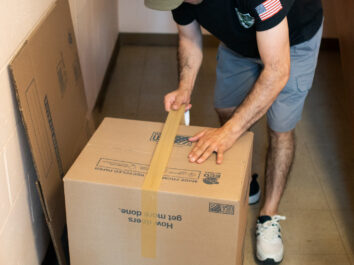
Execute an Early Packing Plan: Begin packing non-essential items like seasonal clothing, books, extra linens, and decor items several weeks out to avoid last-minute stress. Using heavy-duty moving boxes instead of thin grocery store boxes protects your fragile china and keeps stackable loads stable inside the truck, boxes can crush under weight or simple bumps in the road while inside a moving truck.
Establish a Color-Coded Sticky Note System: Label major pieces of furniture with colored sticky notes indicating its destination room at the new home (e.g., Green = Living Room, Blue = Primary Bedroom). If an item is staying behind or going to junk removal, label it clearly with a bright warning tag so movers skip it entirely. Clear room-by-room labels help movers discharge boxes into exact designated zones, saving you hours of reorganization work later.
Your Operations Blueprint
Executing a seamless move requires systematic preparation. Use this expanded timeline to keep your move completely organized:
Preparation and Audit
- Audit Home Inventory: Walk through every room, closet, attic, and garage to catalogue items requiring professional packing versus self-packing.
- Research and Vetting: Obtain multiple detailed moving estimates, verifying USDOT and state registration numbers for fully licensed and insured movers.
- Organize Moving Records: Create a dedicated physical binder or digital folder for quotes, receipts, inventory lists, and utility documents.
Logistics and Admin Setup
- Address Change Notification: File an official change of address with the USPS and update driver’s licenses, vehicle registrations, and voter registration records.
- Utility Transfers: Schedule disconnection dates for current electricity, gas, internet, water, and waste management services, and schedule activation at your new address for the day before move-in.
- School & Medical Records: Transfer medical, dental, and veterinary records, and initiate school record transfers for children.
Packing and Physical Prep
- Strategic Packing: Pack non-essentials first (off-season gear, formal dinnerware, books, guest room items).
- Box Labeling Protocol: Label every box on top and on at least two sides with destination room, summary of contents, and handling flags (“FRAGILE”, “THIS SIDE UP”).
- Property Clearances: Request parking permits from city municipalities and secure elevator reservations with building managers.
Countdown & Final Touches
- Appliance Prep: Drain water lines from refrigerators and washing machines; defrost freezers 24–48 hours prior to move day.
- Disassemble Non-Essential Furniture: Take down temporary shelving, headboards, and modular desk units if performing self-prep to trim labor hours.
- Prepare the Essentials Box: Pack 3–5 days of clothing, toiletries, chargers, medications, tools, and critical documents into a separate container that travels with you.
Purging and Decluttering Strategy
Lowering Move Weight & Volume
As covered earlier your moving cost is directly tied to total volume and heavy labor time. Moving week should always double as purge week:
- Sort Room by Room: Divide items into four distinct categories: Keep, Donate, Sell, or Recycle.
- Eliminate Unused Belongings: Don’t pay hourly labor rates to wrap, lift, load, transport, and unpack items you haven’t used in over a year.
- Delete Your Storage Areas: Basements, sheds, and attics often collect heavy, forgotten clutter. Sort through these areas early to prevent bottlenecks on move morning.
The Room-by-Room Decluttering Protocol
To systematically reduce moving volume, process high-density storage zones using structured evaluation techniques:
1. Kitchen and Pantry
- Expired Goods: Dispose of expired spices, canned goods, opened dry foods, and refrigerated items that won’t survive transit.
- Duplicate Appliances: Donate extra coffee makers, single-use gadgets, or duplicate cookware sets accumulated over years.
- Mismatched Containers: Recycle cracked, mismatched, or lidless plastic containers.
2. Wardrobes and Linen Closets
- The 12-Month Rule: If an article of clothing hasn’t been worn across the last four seasons, donate or sell it.
- Worn Linens: Convert frayed towels and sheets into garage rags or donate them to local animal shelters.
3. Garage, Attic, and Outdoor Storage
- Hazardous Liquids: Properly dispose of open paint cans, motor oil, lawn chemicals, and pool additives at municipal hazardous waste drop-offs (as movers cannot transport these).
- Broken Equipment: Scraps of lumber, broken yard tools, and outdated sporting gear should be recycled or disposed of before truck arrival.
Documents & Personal Belongings
Never pack essential personal items onto the main moving truck, countless moves and customers have been upset for missing items they then found later on while unpacking. Unpacking takes time, and you should maintain control of vital items throughout the transition and remove distrust factor entirely.
Personal Essentials Box
Transport this box in your personal vehicle.
What to Pack Inside:
- Vital documents (birth certificates, passports, social security cards, property deeds, medical records).
- Daily prescription medications, specialized medical equipment, and basic first-aid supplies.
- Essential electronics, high-value laptops, hard drives, chargers, and sensitive financial records.
- High-value jewelry, family heirlooms, cash, and sentimental keepsakes.
Your Checklist
Beyond critical paperwork and jewelry, pack a dedicated “First-Night Survival Box” to make your first night in the new home comfortable before unpacking begins:
Bedroom & Bathroom Supplies
- Complete set of bed sheets, pillows, and blankets for every occupied bed.
- Fresh bath towels, hand towels, washcloths, hand soap, and shower curtain/hooks.
- Full toiletry kit: toothbrushes, toothpaste, shampoo, body wash, hairbrush, and basic cosmetic items.
Housekeeping & Tool Essentials
- All-purpose cleaner, microfiber cloths, paper towels, and trash bags.
- Multi-tool or basic hand-tool set (screwdriver, tape measure, box cutter, pliers).
- Flashlight, extension cords, phone chargers, and fresh batteries.
Kitchen & Convenience Items
- Paper plates, disposable cups, plastic utensils, and a bottle opener/can opener.
- Non-perishable snacks, instant coffee, tea bags, pet food, and pet water bowls.
Coordinating with Your Moving Crew
When your crew arrives, establishing immediate, clear communication sets the tone for a fast, efficient move:
- The Initial Walkthrough: Walk through the entire property with the crew foreman before work begins. Point out fragile items, highlight delicate furniture, and confirm special handling requests. Show the crew foreman any delicate antique finishes, glass cabinets, or pre-damaged items during this initial walk-through.
- Access & Pathway Verification: Identify optimal access points, staircases, ramp locations, or hidden obstacles (such as low-hanging tree branches near driveways or narrow porch steps). Clearing icy walkways, leaf piles, or cluttered hallways guarantees worker safety and keeps the workflow running fast.
- Safety & Efficiency Clearance: Keep all main hallways, entry doors, and stairs clear of loose debris or unpackaged items. Secure pets and young children in a quiet, closed room to ensure safety and allow movers to work at peak speed. Designating a safe, quiet room or arranging off-site care for pets minimizes stress and prevents trip hazards.
- Final Inspection Walkthrough: Before the truck leaves the origin address, walk through every room, closet, attic space, and basement corner alongside the foreman to verify that nothing has been left behind. Check all cabinet interiors, overhead garage racks, and outdoor sheds to make sure no personal belongings are left on the premises.
Move-Day Execution & On-Site Operational Management
Managing move day effectively relies on structured coordination between homeowners and moving crews:
Directing Destination Unloading
- Door Tagging: Post clear paper signs above the doorframes of each room in the new home corresponding to the color-coded sticky notes on boxes and furniture.
- Furniture Placement Map: Sketch a quick layout map for the main living area and bedrooms so crew members know exactly where to position heavy sectional couches, armoires, and bed frames without asking repeatedly.
- Staging High-Traffic Areas: Keep main entryways, hallways, and stairs clear of unboxed items during unloading to maintain continuous movement.
Weather & Environmental Preparedness
- Rain/Snow Mitigation: Place thick entrance door mats and lay down heavy cardboard or floor runners inside doorways to prevent mud and moisture tracking onto carpets.
- Extreme Heat/Cold Conditions: Keep bottled water or hot beverages accessible for the crew to ensure hydration, energy, and safe working stamina throughout demanding physical shifts.
Maximize Value & Protect Your Move Recap
- Check Your Homeowner’s or Renter’s Policy: Call your home-insurance agent before buying extra protection they may or may not offer your moving insurance. Understanding the difference between standard Release Value Protection ($0.60 per pound per article) and Full Value Protection ensures your items are adequately covered against loss or damage.
- Secure Parking Rules: If your location requires parking on narrow city streets (e.g., downtown Boston, Cambridge, Somerville, or tight Billerica access roads), apply for municipal parking permits early. Cities often require a 7- to 14-day advance notice to issue official “No Parking” signs. Failing to secure proper street permits can lead to severe traffic fines, long carry surcharges, or cancelled move slots.
- Cash Savers: Reputable movers accept credit cards, cashier’s checks, and money orders. Never trust operators demanding cash-only payments or full up-front payment before service begins. Tipping your moving crew for hard work and efficiency is customary, typically around 15% to 20% of the total labor cost split among the crew.
Frequently Asked Questions
Do full-service movers pack everything? Yes, if requested! Our team can pack every room, box, and closet, or handle selective partial packing based on your preference. Professional packers bring all necessary materials—including wardrobe boxes, dish barrels, bubble wrap, and packing paper—to secure your belongings safely.
How far in advance should I book? Book 2 to 4 weeks in advance for local moves, and 4 to 8 weeks ahead during peak season (May–September) or for long-distance relocations. Booking early secures your preferred move date, locks in accurate rates, and avoids peak weekend price increases.
What items won’t movers transport? We cannot carry hazardous items (flammables, paint, propane tanks, fireworks) or perishable foods. Regulations prevent commercial movers from transporting high-risk goods like lawnmower gasoline, pressurized scuba tanks, or dangerous household chemicals.
How are moving costs calculated for local vs long-distance moves? Local moves are calculated on an hourly basis based on the number of movers and trucks requested, while long-distance moves are based on total weight, volume, and distance.
Can I keep clothes inside my dresser drawers? No, our roads and bumps are not friendly enough and the bottom of the drawers can pop-out with the simplest items inside.
Additional Industry Insights
Do movers disassemble and reassemble standard furniture? Yes. Professional crews carry complete toolkit sets to dismantle bed frames, dining table legs, sectional couches, and modular shelving units at the origin address, and reassemble them properly in your new home.
How does weather affect my scheduled move? Movers operate year-round in rain, snow, heat, or shine. In cases of severe weather events (such as blizzard warnings, ice storms, or hurricane-force winds), moves may be rescheduled or delayed slightly to ensure public road safety and protect crew members and property.
What are “long carry” and “stair carry” fees? A long carry fee applies when the moving truck cannot park within a standard distance (typically 75–100 feet) of the home entrance, requiring movers to carry items over extended walkways. Stair carry fees apply when crews carry heavy furniture up multiple flights of stairs where elevator access is unavailable.