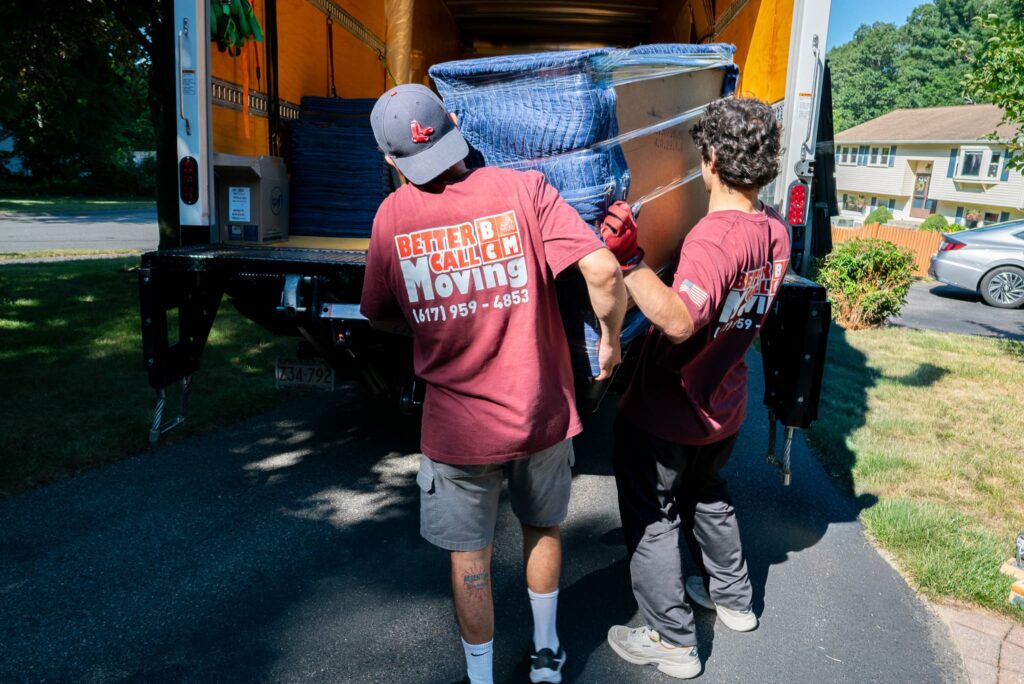
A well-prepared home gives the moving crew a cleaner, safer start and keeps paid time focused on the work you hired them to do. Finish loose packing, organize access, set aside personal essentials, and deal with furniture or appliance prep in advance. A few hours of planning before the move can prevent avoidable delays once the truck arrives.
Why Early Preparation Matters with Hourly Rate Services
With hourly moving services, unfinished packing, blocked access, last-minute furniture decisions, and parking problems may add labor time to the final bill. The goal is not to do the movers’ job yourself. It is to remove preventable interruptions so they can concentrate on protecting, carrying, loading, transport, and placement.
Start by separating what you will handle from what the crew is expected to handle. If your booking includes packing or furniture disassembly, leave those tasks for the professionals unless you have agreed otherwise. If it does not, have cartons closed, loose possessions contained, and surfaces cleared before the scheduled arrival.
A useful test: could someone enter each room and immediately tell what goes, what stays, and what needs special handling? If not, settle those decisions beforehand.
Access matters just as much. In apartment and condo buildings, check loading hours, elevator rules, parking requirements, and whether management asks for a certificate of insurance. A truck parked close to the entrance shortens repeated carries and reduces wasted walking.
Better Call Moving’s local moving service uses hourly pricing for several service options, so preparation is especially useful when your selected job is billed by time.
Strategic Packing Checklist: Rooms, Boxes, and Weight Distribution
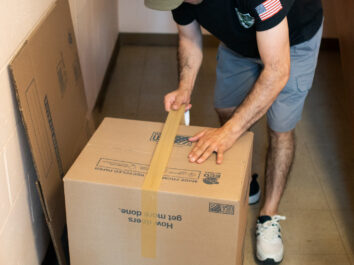
Good packing is less about filling every carton to the top than controlling weight, protecting breakables, and making each box easy to carry and identify. Use smaller cartons for dense contents such as books and larger ones for lightweight goods such as pillows, towels, and bedding. Seal each box fully before the movers arrive.
An oversized box of books may be full but impractical to lift. Distribute weight so one person can handle each carton without the bottom bowing or the contents shifting sharply.
Room-by-Room Packing Checklist
Kitchen
- Wrap glassware, dishes, and other breakables individually.
- Tighten lids and bag liquids separately to contain leaks.
- Set aside food, mugs, or utensils you will need during the first evening.
Bedrooms
- Pack folded clothing, linens, shoes, and personal effects by room.
- Keep jewelry, identification, medication, and irreplaceable valuables with you.
- Empty unstable or delicate contents from drawers before furniture is carried.
- Put first-night bedding in an easy-to-find carton.
Living room
- Remove small décor from shelves and tables.
- Wrap lamps, framed pieces, and fragile ornaments appropriately.
- Photograph cable connections before unplugging electronics.
Bathroom
- Close caps securely and place liquids in sealed bags.
- Keep daily toiletries and prescriptions out for your essentials bag.
Home office
- Back up important files before disconnecting equipment.
- Pack cables with their matching devices or label them clearly.
- Carry sensitive documents and small high-value electronics personally.
Garage, basement, or storage area
- Sort these spaces early; they often contain forgotten loose goods.
- Separate anything that may require special handling or may not be accepted for transport.
- Ask the moving company in advance about fuel, chemicals, paint, compressed gas, batteries, or other restricted materials rather than assuming they can go on the truck.
Avoid grocery bags, open baskets, or half-closed cartons for small household goods. They are harder to stack securely and create more loose pieces to track during a move.
Box Labeling & Organization Strategy for Fast Unloading
The most useful label tells the moving crew where a box belongs at the destination and whether it needs special care. Label at least one side as well as the top, because top markings disappear when cartons are stacked. A simple room-plus-content system is usually faster to read than complicated codes.
Instead of writing “misc.” or “stuff,” use labels such as:
- KITCHEN — PANTRY — FRAGILE
- PRIMARY BEDROOM — CLOTHES
- OFFICE — BOOKS — HEAVY
- LIVING ROOM — LAMPS
- BATHROOM — OPEN FIRST
If you prefer color coding, assign one color to each destination room and place the same color on the doorway at the new property. Colored tape can also make fragile cartons immediately visible, but write the room name as well. Color alone may be misread in poor light.
Numbering cartons can help with larger households. “Kitchen 1 of 7” is more useful than seven identical “Kitchen” labels, especially when you want to confirm that a group arrived together.
Avoid over-labeling. Movers do not need an inventory of every spoon or sweater. They need the destination, handling note, and any information that affects placement.
Preparing Furniture, Large Appliances, and Heavy Items
Prepare bulky pieces by clearing their contents, confirming what needs disassembly, and dealing with utilities before moving day. Keep screws, brackets, and small hardware in labeled bags tied or taped to the relevant furniture when safe to do so. For appliances, follow the manufacturer’s instructions and arrange qualified help for utility disconnection where required.
Start with furniture that cannot pass through a doorway or stairwell in one piece. Beds, large tables, modular desks, and shelving may need partial disassembly. If the moving crew is doing that work, tell the company beforehand so the estimate and equipment plan reflect it. If you dismantle furniture yourself, take a few photos first; they may help during reassembly.
Remove and protect loose shelves, glass inserts, or detachable parts separately.
Appliances require more care than simply pulling the plug. Washing machines need their water supply shut off and hoses disconnected in accordance with the manufacturer’s guidance. If practical, do this ahead of the move rather than while the movers are waiting.
Refrigerators, ice makers, gas appliances, and hard-wired equipment may have additional preparation requirements. Never improvise with gas, plumbing, or electrical connections; use an appropriately qualified professional when necessary.
Measure unusually large pieces if access is tight. Compare the furniture dimensions with doorways, stair turns, elevator openings, and narrow corridors. Finding out beforehand that a sofa will not clear a doorway is much easier than discovering it mid-carry.
Packing the “First-Night Essentials” Bag
Your first-night bag should contain anything you may need before the rest of the household is unpacked, plus documents and valuables that should stay under your control. Pack it separately, keep it out of the moving area, and take it with you rather than placing it among the household cartons.
A practical essentials bag may include:
- identification, passports, and important paperwork;
- prescription medication and basic first-aid supplies;
- wallet, keys, cash, and jewelry;
- phones, chargers, and a power bank;
- a change of clothes and sleepwear;
- toothbrushes and basic toiletries;
- toilet paper and a small hand towel;
- water and simple snacks;
- children’s immediate necessities, if applicable;
- pet food, leash, medication, and bowls, if applicable;
- one or two cleaning basics for the new property.
If you are traveling separately from the moving truck or arriving later, add anything you would need if access to your packed household goods were delayed for several hours.
Create a clear DO NOT LOAD zone for suitcases, documents, work equipment, keys, or anything going in your own vehicle. A closed car, locked room, or clearly separated corner prevents confusion.
Clearing Pathways and Managing Access on Arrival Day
Clear routes inside the property and solve building or parking access before the moving crew arrives. Remove trip hazards from hallways, stairs, entrances, and the path to the truck. At the destination, decide where major furniture and labeled cartons belong so unloading does not stop for a room-by-room decision every few minutes.
Walk the carrying route from the farthest room to the expected parking point. Look for shoes, toys, rugs that slide, planters, low tables, pet equipment, or other obstacles. If weather is poor, pay extra attention to wet entryways and floor protection.
For apartments, ask management about:
- freight or service elevator reservations;
- permitted moving hours;
- loading-dock access;
- parking or street permits;
- building access codes or key arrangements;
- certificate-of-insurance requirements.
“Bedroom 1” and “Bedroom 2” are clearer than stopping the movers repeatedly to explain which room is which. Decide in advance where large furniture should sit, particularly if placement will affect whether other pieces can pass through the room.
Keep children and pets away from active carrying routes where possible. Open doors, heavy furniture, and frequent foot traffic make the work area unsafe for them.
Final Pre-Arrival Check
Before the crew is due, confirm that:
- cartons are closed, taped, and labeled;
- loose household goods are packed or clearly excluded;
- fragile pieces are identified;
- personal essentials are separated;
- furniture prep is complete or has been discussed with the moving company;
- appliances are ready according to their manufacturer requirements;
- hallways and entrances are clear;
- parking and elevator access are arranged;
- the destination address and access instructions are correct;
- you know which pieces should be placed where.
Pre-move preparation does not mean doing everything yourself. It means making deliberate decisions before the clock starts. When the home is organized, access is ready, and priorities are clear, the moving crew can spend more of the appointment on the skilled physical work you hired them to perform.
If you are planning a local move in Massachusetts, Better Call Moving offers professional residential services with transparent service options. You can also request a quote and confirm in advance which preparation tasks are included in your booking.