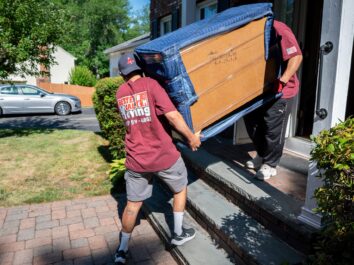
Moving is not only about boxes, furniture, and a truck. Most moving-day problems come from small tasks people forget: mail, utilities, internet, parking, insurance, bank accounts, or one last closet full of stuff.
The move itself may take one day, but preparing for it starts weeks earlier. So what do most people forget when moving? Usually not the furniture — it’s the paperwork, accounts, and access details. Below is a simple checklist of the 16 things to do before moving that people most often miss, with timelines, official resources, and tips from our Boston moving crews.
Key Takeaways
Short on time? These are the main things to consider before moving:
| Point | Details |
|---|---|
| Change your address early | Submit a USPS change of address about 1–2 weeks before moving day through the official USPS Mover’s Guide. |
| Utilities overlap, not gap | Keep old utilities on through moving day and start new ones before you arrive. |
| Massachusetts has a 30-day rule | You must update your address with the RMV within 30 days of moving, per Mass.gov. |
| Access decides the pace | Elevator reservations, loading docks, and a reserved truck spot can save hours on moving day. |
| Do a final walkthrough | Closets, cabinets, attics, and storage units are where forgotten items hide. |
When To Do Each Task: Pre-Move Timeline
Not sure what to do before you move — and when? Not every task needs to happen on the same day. Use this timeline to spread the work out so nothing lands on moving morning.
| When | What to do |
|---|---|
| 3–4 weeks before | Book movers, schedule internet installation, request elevator / loading dock, check whether you need a moving truck permit |
| 2 weeks before | Submit USPS change of address, set utility start/stop dates, update insurance |
| 1 week before | Update banks, cards, and deliveries; prepare appliances; plan for kids and pets; make a key plan |
| 1–2 days before | Pack a first-night box, clear hallways and doorways, defrost the freezer |
| Moving day | Take photos and meter readings, check closets and storage, do a final walkthrough |
| Within 30 days after | Update driver’s license and vehicle registration with the RMV |
If you prefer a step-by-step plan for the day itself, see our simple moving day checklist for preparing for movers.
1. Change Your Mailing Address
This is one of the easiest things to forget. Before moving day, update your address so important mail does not keep going to your old home.
Start with:
- USPS mail forwarding
- Banks and credit cards
- Insurance companies
- Employer or payroll department
- Medical offices
- Schools or daycare
- Subscriptions and deliveries
- Online shopping accounts
Do not wait until after the move. Some letters, bills, cards, and documents take time to catch up. A good rule: start changing your address at least 1–2 weeks before moving day.
USPS forwarding does not update your address with the IRS. If you expect tax documents at the new home, you can notify the IRS using Form 8822, Change of Address.
Pro Tip: Only file your change of address on the official USPS site. Look-alike websites charge high “processing” fees for something USPS does for a small identity-verification fee online, or for free at the post office.
2. Transfer Or Cancel Utilities
Nobody wants to move into a new home with no electricity, no heat, no water, or no internet. Before your move, contact your utility providers and set the correct start and stop dates.
Check:
- Electricity
- Gas
- Water
- Heating service
- Trash and recycling
- Internet
- Cable or streaming equipment
- Security system
Do not just cancel everything on moving day. You may still need lights, heat, or water while the movers are working.
The best setup is simple: old utilities stay on through moving day, new utilities start before you arrive.
Other Things To Cancel When Moving
Utilities are not the only accounts tied to your old address. Other things to cancel when moving (or transfer, if the service is available at your new home) include:
- Gym or club memberships
- Local newspaper or magazine delivery
- Cleaning, lawn care, or snow removal services
- Residential parking permit for the old street
- Storage unit you no longer need
Recurring home deliveries are covered in step 13 below.
| Utility | Old home | New home |
|---|---|---|
| Electricity & gas | Stop the day after moving day | Start 1–2 days before arrival |
| Water | Stop after final cleaning | Confirm active before arrival |
| Internet | Return or transfer equipment | Book installation 2–3 weeks ahead |
| Security system | Cancel or transfer after you leave | Schedule setup after move-in |
3. Schedule Internet Installation Early
Internet is one of the most common moving-day surprises. Many people think they can set it up quickly after moving in, but appointments may not be available right away.
If you work from home, have kids, use smart devices, or need security cameras, schedule your internet transfer early.
Before moving, check:
- Can your current provider service the new address?
- Do you need a new modem or router?
- Do you need to return old equipment?
- Is there an installation appointment?
- Will someone need to be home?
A good rule: book internet before moving day, not after.
Pro Tip: Keep your phone’s hotspot plan in mind as a backup for the first few days. If installation slips, you can still work and stay reachable.
4. Update Your Driver’s License And Car Information
When you move, your address needs to be updated for driving and vehicle records. This may include:
- Driver’s license
- Vehicle registration
- Car insurance
- Parking permit
- Toll account
- Vehicle tax or excise information
In Massachusetts, this is not optional: you are required by law to notify the RMV within 30 days of changing your address. The fastest way is online through the RMV change of address service. A residential address change is also shared with your city or town to update voter registration.
If you move to a new city or town, also check local parking rules. In Boston, Cambridge, Somerville, Brookline, and many Greater Boston areas, parking rules can change from one street to another. Do not wait until you get a ticket to check it.
Q: Does the USPS change of address update my RMV record?
A: No. USPS forwarding only redirects mail. Your driver’s license and vehicle registration must be updated with the RMV separately.

5. Update Renters Or Home Insurance
Many people forget about insurance until something goes wrong. If you rent, update your renters insurance with the new address. If you own, make sure your home insurance is active for the new property.
Ask your insurance company:
- When does coverage stop at the old address?
- When does coverage start at the new address?
- Are belongings covered during the move?
- Do you need to update your policy amount?
- Does your building require proof of insurance?
This is especially important if you are moving into an apartment building, condo, or managed property. A simple insurance update can prevent a lot of stress later.
Your mover’s liability is a separate question. For interstate moves, the federal FMCSA Protect Your Move program explains the valuation options movers must offer and how to check a mover’s registration.
6. Update Banks, Cards, And Payment Accounts
Your address is connected to many financial accounts. If you forget to update it, you may miss important letters, replacement cards, tax forms, or fraud alerts.
Update:
- Checking accounts
- Savings accounts
- Credit cards
- Loan accounts
- Car loan or lease
- Investment accounts
- PayPal, Venmo, or other payment apps
- Tax-related accounts
Also check your billing address on shopping websites. Sometimes a card gets declined because the billing address does not match the new address.
Better Call Moving can help. Our crews handle the heavy lifting, furniture protection, and truck logistics, so you can focus on the small tasks on this list. Moving locally in Greater Boston? See our local moving services.
Book a Move →
7. Reserve Elevator, Loading Dock, Or Parking
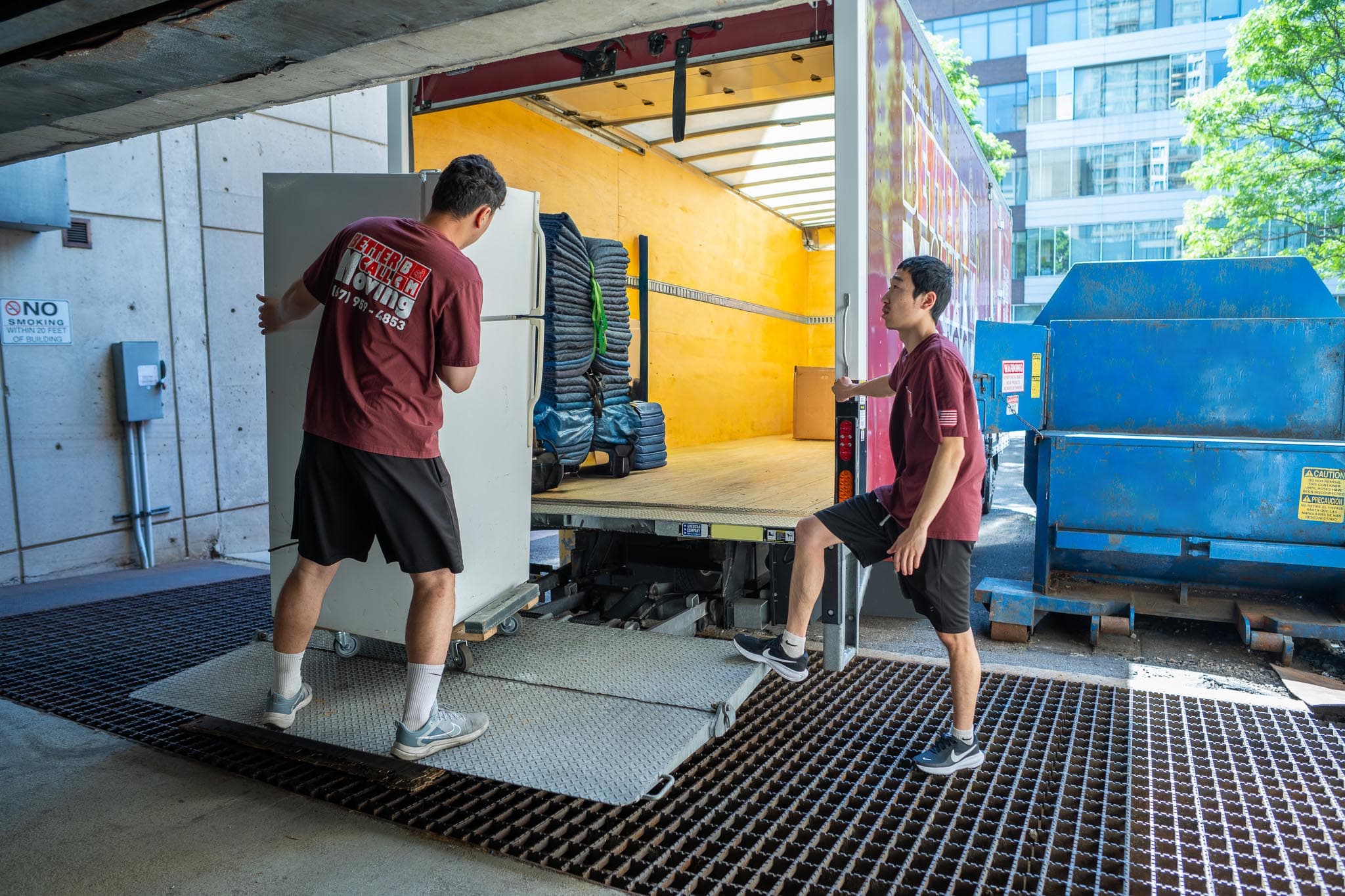
This is a big one. If you live in an apartment building, condo, or managed property, you may need to reserve the elevator or loading area before moving day.
Ask your building manager about:
- Elevator reservation
- Loading dock access
- Move-in or move-out time window
- Certificate of insurance
- Building rules for movers
- Parking instructions
- Floor and wall protection requirements
If the movers arrive and the elevator is not reserved, the whole move can slow down. If the truck has nowhere to park, the move can take longer and cost more.
Good access makes moving day faster, safer, and more organized.
Pro Tip: Ask your building for its Certificate of Insurance (COI) requirements in writing and forward them to your moving company at least a few days before the move. A missing COI is one of the most common reasons a crew is kept waiting at the door.
8. Check If You Need A Moving Permit
In busy areas, a moving truck cannot always park wherever it wants. Before moving day, check if your city requires a moving truck permit or reserved parking signs.
This matters a lot in:
- Boston
- Cambridge
- Somerville
- Brookline
- Charlestown
- South Boston
- Back Bay
- North End
- Any street with limited parking
In Boston, the City does not require a moving truck permit, but a permit guarantees a legal spot for the truck on moving day. According to the City of Boston Parking Clerk, typical costs look like this:
| Boston permit type | Approx. cost | What’s included |
|---|---|---|
| One day, 2 non-metered spaces | $69 | Permit + two signs |
| One day, 2 metered spaces | About $110 | Permit + signs |
Fees can change, so confirm on the City’s page before applying. Other towns, such as Cambridge, Somerville, and Brookline, run their own permit systems. Our full guide explains whether you need a parking permit for a moving truck in each area.
If the truck has to park far away, movers must carry every box and every piece of furniture a longer distance. That adds time and makes the move harder. A parking plan is not a small detail — it can change the whole day.
9. Pack A First-Night Box
After a long moving day, you do not want to search through ten boxes for soap, chargers, medication, or clean clothes. Pack one box or bag with the items you need right away.
Include:
- Toilet paper
- Soap
- Toothbrush and toothpaste
- Medication
- Phone chargers
- Basic tools
- Paper towels
- Trash bags
- Clean clothes
- Towels
- Bedding
- Pet food if needed
- Snacks and water
Keep this box with you or make it very easy to find. Label it clearly: FIRST NIGHT — OPEN FIRST.
Short on boxes or tape? You can order moving supplies and have them dropped off before moving day.

10. Clean Before The Movers Arrive
You do not need a perfect home, but the space should be ready for movers to work. Before moving day, try to clear:
- Hallways
- Stairs
- Doorways
- Elevator area
- Driveway or walkway
- Rooms with large furniture
- Garage or storage area
Remove small items from the floor, loose rugs, shoes, plants, toys, and anything that can block the path. This helps protect your home, your furniture, and the moving crew.
A clean path means less delay and fewer accidents.
11. Take Photos Before You Leave
Photos can help you later if there is a question about condition, cleaning, deposits, or utilities. Before leaving your old place, take photos of:
- Empty rooms
- Walls and floors
- Appliances
- Meter readings
- Keys returned
- Parking area
- Furniture condition
- Anything already damaged
If you are renting, this can help with your security deposit. If you are buying or selling, it can help document the condition of the property. It takes only a few minutes, but it can save a lot of arguments later.
Pro Tip: Record a slow video walkthrough with your phone instead of separate photos. The file is time-stamped automatically, and one video covers every room and meter in under five minutes.
12. Make A Key Plan
Keys are easy to lose during a move. Before moving day, decide what needs to happen with:
- Old house keys
- New house keys
- Mailbox keys
- Garage remotes
- Building fobs
- Parking passes
- Storage unit keys
- Spare keys
Keep your new keys in a safe place, not inside a random moving box. Also make sure someone at the new address can open the door before the moving truck arrives. Movers cannot unload if nobody can get inside.
13. Cancel Or Update Deliveries
Many people forget about automatic deliveries. After you move, packages may still go to the old address.
Check:
- Amazon
- Grocery delivery
- Pet food delivery
- Meal kits
- Prescription delivery
- Subscription boxes
- Water delivery
- Cleaning services
- Lawn or snow services
Update your delivery address before placing any new orders. Also remove the old address from saved accounts so you do not accidentally use it later.
14. Prepare Appliances
Appliances need planning before moving day. If you are moving a refrigerator, freezer, washer, dryer, or other large appliance, check what needs to be done ahead of time.
You may need to:
- Empty the refrigerator
- Defrost the freezer
- Disconnect water lines
- Unplug appliances early
- Clean and dry appliances
- Secure loose parts
- Check if gas disconnection is needed
Movers can move heavy appliances, but plumbing, gas, and some electrical work may need to be handled before they arrive. Do not leave this for the last hour.
| Appliance | When to prepare | What to do |
|---|---|---|
| Refrigerator / freezer | 24–48 hours before | Empty, unplug, defrost, dry, tape doors |
| Washer | 1 day before | Disconnect and drain hoses, install transit bolts if available |
| Gas dryer or stove | Before movers arrive | Have a licensed professional disconnect and cap the gas line |
| Dishwasher | 1 day before | Run empty, dry, disconnect water and drain lines |
15. Plan For Kids And Pets
Moving day can be stressful for kids and pets. There will be open doors, heavy furniture, tools, boxes, and people walking in and out.
If possible, arrange a safe place for kids or pets during the move. Think about:
- Pet daycare
- A separate closed room
- A friend or family member helping
- Food and water ready
- Leashes or carriers
- Comfort items
- Medication if needed
This keeps everyone safer and helps the movers work without distractions.

16. Check Closets, Cabinets, And Storage Areas
Some of the most forgotten items are not in the main rooms. Before the movers leave, check every hidden space. Look inside:
- Closets
- Kitchen cabinets
- Bathroom drawers
- Basement
- Attic
- Garage
- Balcony
- Laundry area
- Storage unit
- Under beds
- Behind doors
Small items are easy to miss when the day is busy. Do one final walkthrough before the truck leaves.

Commonly Forgotten Tasks And What They Cost You
Here is a quick look at the things to remember when moving, what happens when each one is skipped, and how to avoid it.
| Forgotten task | What can go wrong | How to avoid it |
|---|---|---|
| Change of address | Missed bills, cards, tax forms | File with USPS 1–2 weeks ahead |
| Utilities | No heat, light, or water on arrival | Overlap start and stop dates |
| Elevator / COI | Crew waits, more billable hours | Reserve and send COI in advance |
| Truck parking | Long carry distance, tickets | Get a permit or reserve a spot |
| RMV update | Missed citations and notices | Update online within 30 days |
| Final walkthrough | Items left behind | Check every closet before the truck leaves |
Final Tip: Moving Is Easier When The Small Things Are Done Early
Most people focus on packing boxes and booking movers. That is important, but it is not the whole move. The small tasks matter too — they are the things to remember when you move, because nobody else will remember them for you.
Changing your address, transferring utilities, reserving parking, updating insurance, and packing a first-night box can make the difference between a stressful move and a smooth one.
At Better Call Moving, we help customers stay organized before and during moving day. Our team can protect your furniture, handle the heavy lifting, and make the moving process easier from start to finish. And once the truck is unloaded, our guide on what to do after your movers finish covers the next steps.
Planning a move in Boston or Greater Boston? Let our team handle the heavy part while you check off the small things. Learn more about our Boston movers.
Get Your Free Quote →
Frequently Asked Questions
What do most people forget when moving?
Changing the mailing address and updating utilities are the two tasks people forget most often. Both seem small, but missing them leads to lost bills, missed documents, or arriving at a new home without power, heat, or internet. Set both up one to two weeks before moving day.
What are the most important things to do before you move?
If you only have time for a few, focus on what to do before moving that affects moving day itself: book your movers, reserve the elevator or loading dock, arrange truck parking, set utility start and stop dates, and file a USPS change of address. Everything else — banks, deliveries, subscriptions — can be updated in the week before or right after the move.
What should I cancel when moving?
Cancel or transfer anything billed to your old address: utilities, internet, security system, gym memberships, cleaning or lawn services, recurring deliveries, and any residential parking permit. Schedule stop dates for the day after the move so you still have power and water while the movers work.
How far in advance should I change my address with USPS?
About one to two weeks before moving day is a good window. You can choose the date forwarding starts, so submitting early does not mean mail is redirected too soon. Use only the official USPS Mover’s Guide website to avoid look-alike sites that charge extra fees.
How long do I have to update my address with the Massachusetts RMV?
Massachusetts law requires you to notify the RMV within 30 days of changing your address. You can do it online, by phone, or at an RMV Service Center. Updating your address does not automatically mail you a new license; you can order a replacement card if you want the new address printed on it.
Do I need a permit for a moving truck in Boston?
The City of Boston does not require a moving truck permit, but a permit reserves a legal spot so the truck can park close to your door and avoid tickets. A one-day permit for two non-metered spaces costs about $69 and includes two signs, per the City’s Parking Clerk. Apply early, especially around September 1, when many leases turn over.
What should I pack in a first-night box?
Pack everything you need for the first evening and morning: toiletries, toilet paper, medication, phone chargers, basic tools, trash bags, a change of clothes, towels, bedding, pet food, snacks, and water. Keep the box with you instead of on the truck, and label it “First Night — Open First.”
Recommended Reading