When everything is prepared before the movers arrive, the entire moving process goes much more smoothly. On the day of the move, there should be no unfinished jobs left—for example, packing the last few boxes, clearing the walkways, or arranging parking and access to the building. The better organized the apartment is and the more preparation is completed in advance, the faster and more efficiently the moving team can begin loading.
The following guide outlines the main stages involved in getting ready for a move, starting with the actions you take two weeks before the move and ending with the movers’ arrival on moving day. By following this step-by-step approach, you should be able to prevent delays, reduce unnecessary stress, and avoid common problems that occur on moving day.
Start Preparing About Two Weeks Before Moving Day
A good time to deal with the arrangements that call for planning is two weeks prior to your move. During that time, begin to pack unnecessary items such as seasonal clothing, decorations, books, and other possessions which you won’t need on the day of the move. While doing this, also start to get your apartment ready by cleaning it, organizing it, and taking out the items you do not intend to take with you.
Now would also be a good opportunity to finalize the practical aspects of your relocation. If you live in an apartment building or condominium, check with building management about moving hours, elevator reservations, building access, required paperwork, deposits, and other move-in or move-out rules. If a Certificate of Insurance (COI) or special permission is needed, then you should submit it and obtain approval well in advance of moving day.
Make sure you arrange parking and access for the truck. You should check the place where the moving truck can load and find out if you need a parking permit or some other authorization. Planning this will help to avoid delays when the movers arrive.
Lastly, measure the large pieces of furniture as well as the main access points in the building, such as doorways, hallways, stairways, and elevators. If you know in advance whether the furniture will be able to pass safely through these areas, you will have the opportunity to come up with solutions before moving day instead of having to deal with the problem when the movers are already on site.
Get Your Apartment Ready During the Final Week
The week before your move is when you should complete all the practical preparations that are so easily neglected. Since most of your packing will have been done by this stage, your attention should then be on getting the appliances, electronics, and the other household items ready for moving.
Prepare Appliances and Electronics
Certain appliances have to be emptied, disconnected, defrosted, or dried before they can be moved safely. If these tasks are carried out in advance, this will help to avoid leaks, moisture damage, and unnecessary delays.
- At least 24 hours before the move, empty, unplug, defrost, clean, and thoroughly dry your refrigerator and freezer.
- After having unplugged the dishwasher, empty it and allow it to air out.
- Make sure that you follow the instructions given by the manufacturer when getting your washing machine and dryer ready, which may include disconnecting and draining the hoses.
- Take the garden hoses and outdoor equipment apart and dry them.
- Be certain that grills, lawn equipment, and all other gas-powered appliances have all fuel drained and propane or gas cylinders removed, when applicable.
- Place smaller appliances, such as microwaves or air fryers, in sturdy boxes with adequate padding.
- Take the light bulbs out of the lamps and put them in a separate package with protective material.
- Prepare the televisions, computers, printers, and other electronics by unplugging them.
Finish Packing and Organizing
In the last week, check that there are no loose items or incomplete packing tasks left around the apartment, take proper care of any fragile possessions, and clearly distinguish between the things that are not being moved and those that will be loaded onto the truck.
Store your important personal items as well as any things that you will need right away in a separate and easily accessible location.
Prepare the Apartment for Moving Day
Before you start moving, carry out one last check of the apartment to ensure that the appliances are ready, the remaining boxes are sealed and labeled, and that all unnecessary items have been taken away.
It’s also a good opportunity, if you’re renting, to carry out any necessary move-out cleaning or minor repairs as required by your lease, for example, by removing the nails or fixing the small wall marks.
Looking after those details in the last week will reduce the number of tasks you need to deal with when the movers come and provide your moving team with a neater, safer, and more organized area in which to work.
The Day Before Your Move: Finish Packing and Prepare the Apartment
The day prior to your move should be used for attending to the final details, not for beginning any new packing tasks. Your apartment should be as close to move-ready as it can be before the movers come.
Complete Your Packing
Ensure that all the boxes are clearly labeled, properly taped down, and clearly marked with the room they are going to. Do not leave any of your possessions loose in the drawers, on the shelves, or atop the furniture, since this might delay the moving process.
Set aside any items you plan to transport yourself, such as important documents, valuables, personal bags, or belongings you plan to place in your own vehicle. Store these possessions in a specific area so that they are not accidentally loaded onto the moving truck.
Finish Preparing Furniture
If any furniture needs to be disassembled before it can be safely moved, complete this ahead of time when possible. Items such as bed frames, tables with removable legs, and certain shelving units may be easier to transport once properly taken apart.
Keep all screws, bolts, brackets, and other hardware together in labeled bags or containers so everything can be easily reassembled later.
Check Appliances and Electronics
Finish preparing any appliances before the movers come. If you have a freezer, be sure that it has been emptied, defrosted, and thoroughly dried. If necessary, leave the appliance doors open afterward so that any remaining moisture can escape.
Unplug electronics and prepare them for transportation according to the manufacturer’s recommendations.
Do One Final Apartment Check
Before going to bed, walk through every room and check that:
- All boxes are closed, taped, and labeled.
- Furniture and appliances are ready to be moved.
- Fragile items are properly protected and identified.
- Items you are taking yourself are separated from the moving inventory.
- Closets, cabinets, drawers, and storage areas have been checked.
- Nothing that should not be moved has been left with the items being transported.
A fully prepared apartment gives the movers a clear and organized workspace and helps the move get off to a smoother start.
Moving Morning: Get Your Apartment Ready Before the Movers Arrive
By the time your move takes place, the majority of the preparatory work should already be finished. In the last hour, your aim should be to create a safe, clear, and well-organized workspace so that the movers can begin their task without suffering from unnecessary delays.
Clear All Moving Paths
Ensure that the movers have a clear path leading from each room to the building entrance and from the entrance to the elevator, the stairs, or the loading area. Remove shoes, small furniture, boxes, rugs, and other obstacles from walkways and doorways.
If possible, keep packed boxes together in an accessible area rather than scattering them throughout the apartment. Clear pathways make it easier to carry larger items and reduce the risk of trips, falls, or damage.
Protect Your Floors and Surfaces
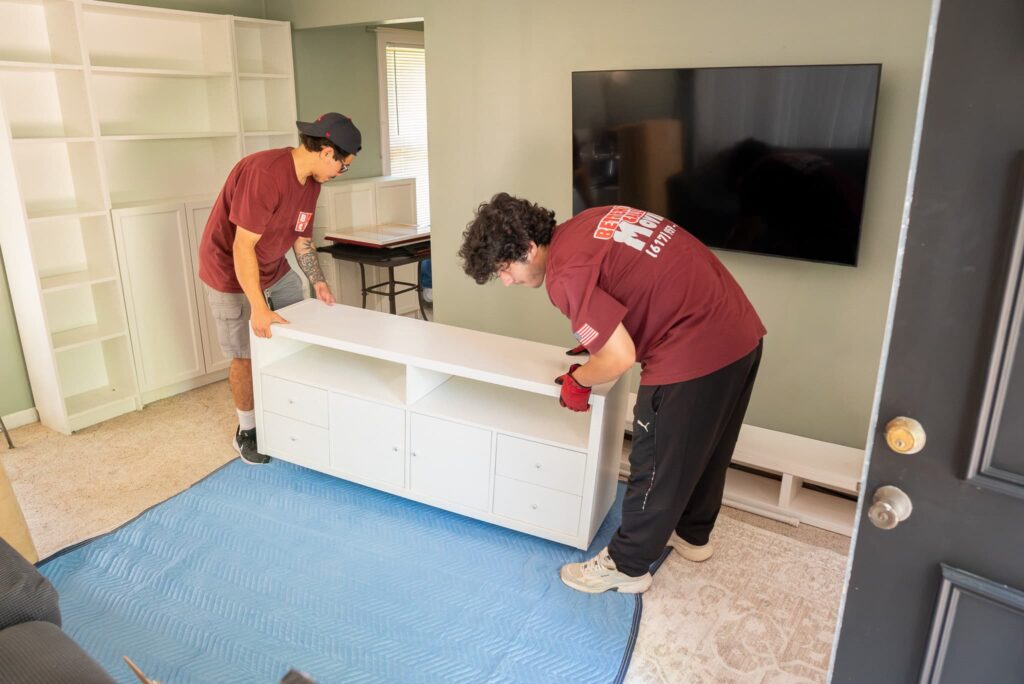
Before the moving crew gets started, take action to guard the high-traffic areas, particularly if you have hardwood, tile, or other surfaces that could be scratched or damaged.
Use appropriate floor coverings or runners along frequently used paths, and protect areas around doorways and furniture. If your building has specific requirements for protecting hallways or elevators, follow those instructions as well.
Separate Items You Are Taking Yourself
Clearly separate anything that should not be loaded onto the moving truck from the moving inventory.
Place personal bags, important documents, medications, valuables, electronics, chargers, and other essentials in your vehicle or in a designated room or area. Clearly marking these items can help prevent them from being loaded accidentally.
Keep Children and Pets Safe
Since moving involves open doors, heavy furniture, and a great deal of activity, it is important to keep both children and pets away from the work area.
Arrange for children to be supervised and keep pets in a secure, closed room with everything they need, or have them stay with a friend, family member, or pet sitter. This keeps them safe and allows the movers to work without unexpected interruptions.
Do a Quick Final Walk-Through
While the movers are getting started, one final time go through the entire apartment and check the closets, cabinets, drawers, balconies, and any storage areas to ensure that you haven’t left anything behind.
Ensure that all items that need to be moved are ready and that any items you are transporting yourself have been separated from the moving inventory.
A few minutes spent on your final preparations will make the beginning of your move more efficient and will help you avoid delays or accidents.
Brief the Moving Crew Before Work Begins
On the day the movers come, take a few minutes to give them a brief introduction to the apartment and point out any particular details they should be aware of before starting. Good communication right at the beginning will help avoid confusion and ensure the move stays organized.
Be sure to point out:
- Any fragile, valuable, or oversized items that require special attention.
- Furniture or other belongings that may be difficult to move through doorways, hallways, stairs, or elevators.
- Any building access rules, elevator time limits, or other restrictions the crew should know.
- Which items are traveling with you and should not be loaded onto the truck.
- Any rooms, boxes, or furniture that require special handling or placement.
- Where pets or children will be kept during the move, if applicable.
If you have already labeled your boxes by room, explain the labeling system so the crew can easily identify where belongings should go at the destination.
A brief conversation before loading begins gives the movers a clear understanding of the situation and helps avoid surprises or delays later in the move.
Key Takeaways
A successful move begins well before the movers arrive. If you take the time to pack and label your possessions, get your appliances and furniture ready, clear off the paths, protect your apartment, and pass on any important information to the moving crew, then moving day will be a lot more organized and efficient.
The goal is simple: have as much prepared as possible before the first box is carried out. When your apartment is ready, the movers can focus on safely handling your belongings instead of dealing with avoidable obstacles and last-minute tasks.
A little preparation can save time, reduce stress, and help your move get off to the right start. With a clear plan and the right moving team, you can make moving day easier from beginning to end.