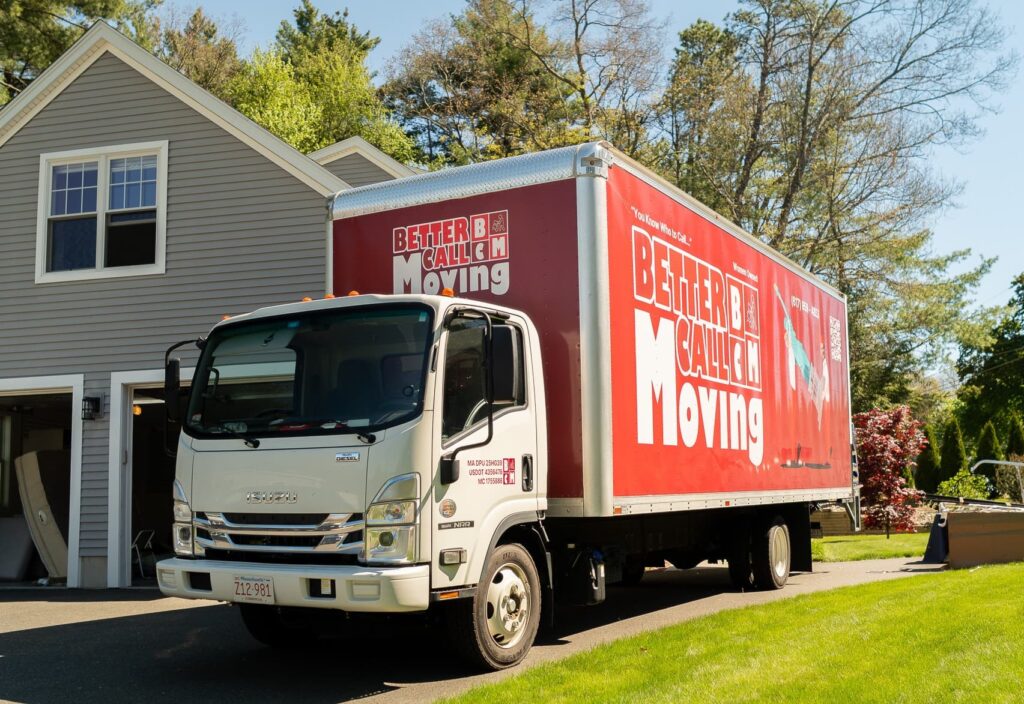
Moving to a new home can be exciting, but it can also become expensive very quickly without the right plan. One of the most common questions we hear from customers is simple: how can I save money on my move without sacrificing quality or taking unnecessary risks?
At Better Call Moving, we believe the answer starts with preparation and transparency.
Lower moving costs do not necessarily mean finding the cheapest moving company. In many cases, choosing a very low quote without understanding what is included can actually cost more in the end. A better approach is to understand what affects the final price and then control as many of those factors as possible.
Our company provides professional moving services with a strong focus on reliability, safety, communication, and transparency. Our experience includes residential moves as well as work within the multifamily industry, where insurance requirements, property protection, scheduling, and professional procedures can be especially important.
Our crews receive ongoing training because this job is not simply about carrying furniture from one place to another. Employees need to understand safe lifting, proper packing and loading techniques, protection of customers’ belongings and property, equipment use, and professional communication. Safety is also part of our culture, including requirements such as OSHA 10 certification for applicable team members and roles.
Even with a professional team on your side, there is a lot that you, as the customer, can do before moving day to reduce your final bill.
Below are the strategies that work best.
1. Give Your Moving Company Complete and Accurate Information
This may be the single most important way to avoid unexpected moving costs.
When requesting an estimate, provide as much accurate information as possible. Explain exactly what needs to be transported and describe the conditions at both addresses.
For example, let your moving consultant know about stairs, elevators, long hallways, parking restrictions, loading docks, difficult entrances, oversized furniture, storage areas, basements, garages, and anything else that could affect the job.
Your inventory should also be as precise as possible.
If you report 30 boxes but have 80 on moving day, the work will naturally take longer. The same is true if large furniture, basement contents, garage items, outdoor furniture, or storage items were left out of the original information.
Customers sometimes leave items off the list because they worry that including everything will make the estimate higher. In reality, accurate details help us plan the correct crew, truck, equipment, materials, and estimated time.
Transparency in advance usually means fewer surprises later.
Photos and videos can also be extremely helpful. If you are unsure how to describe everything, ask whether you can send pictures or a video walkthrough of your home. A few minutes spent sharing better information can potentially save significant time on moving day.
2. Choose a Day From Monday Through Thursday When Possible
The day of the week you choose can affect moving costs.
Friday, Saturday, and Sunday are typically the most popular moving days because many people want to relocate around their work schedules. That increased demand can make weekend booking more difficult and, depending on the job, more expensive.
If your schedule allows it, ask about a weekday slot.
Weekday flexibility gives the moving company more options when organizing crews and trucks. In some situations, it may also allow us to offer a better rate or a more efficient time slot.
Instead of simply telling your sales representative, “I need Saturday,” try asking:
“I am flexible Monday through Thursday. Which day would give me the best value?”
That one question can make a difference.
3. Avoid the Beginning and End of the Month If You Can
The date within the month matters too.
The first and last days of the month are traditionally the busiest periods for moving companies. Many leases begin or expire around these dates, creating increased demand for crews, trucks, elevators, loading docks, and parking.
If you have flexibility, consider a mid-month date.
For example, instead of automatically booking the 30th, 31st, 1st, or 2nd, ask your moving consultant whether shifting several days earlier or later could provide a better option.
This becomes particularly important in multifamily properties. Multiple residents may be coming and going around the same dates, and buildings can have limited elevator reservations and loading areas.
A less congested moving date can mean easier access, less waiting, and smoother work.
And when you are billed by the hour, efficiency means money saved.
4. Book Your Move at Least Two to Three Weeks in Advance
Waiting until the last minute usually reduces your options.
Whenever possible, contact your moving company at least two to three weeks before your preferred date.
Earlier booking gives us more flexibility to coordinate the right crew, truck, and time slot for your move.
This does not mean you need to know every detail weeks ahead. Even if your closing date, lease date, or schedule is not finalized, start the conversation early.
Tell your sales representative what you know and explain what may change.
For example:
“My schedule is flexible. Any of these four days works for me, and I would like the most economical option.”
That is valuable information.
When a customer gives us a flexible three- or four-day window and specifically tells our sales team that keeping the cost down is a priority, we can look for the most efficient opportunity in our calendar. Depending on availability and the details of the job, that flexibility can produce meaningful savings compared with insisting on one high-demand date.
The earlier we hear about your move, the more room we have to plan efficiently.
5. Pack Small Items Yourself
Professional packing is a valuable service, especially for customers who do not have the time or ability to prepare everything themselves. But if your main goal is reducing moving costs, doing some of the packing yourself is one of the easiest ways to save.
Start with items such as:
- Clothing
- Books
- Kitchen items
- Shoes
- Toys
- Decorations
- Office supplies
- Small household items
Place them into appropriate boxes, protect fragile pieces properly, and have the boxes closed before the crew arrives.
If hundreds of small items are still sitting on counters, shelves, and tables when our team arrives, they cannot simply be loaded into the truck safely. Those items need to be packed first, which requires additional time and potentially extra materials.
With hourly billing, every additional hour matters.
You do not have to do all the packing on your own. Some customers prefer to handle the easy items and leave difficult or fragile pieces to professionals.
That can be a good balance between convenience, protection, and cost.
6. Have Your Boxes Sealed and Ready
Putting something “into a box” and having a box ready for transport are not always the same thing.
Before moving day, boxes should be properly closed, taped, reasonably filled, and safe to carry.
Avoid having dozens of open boxes with items sticking out of the top. They are difficult to stack securely inside a moving truck and can slow down loading.
If you prefer, our team can help tape or finish preparing boxes, but remember that extra preparation takes extra time.
Imagine a crew spends only one or two minutes finishing each unfinished box. With 50 or 60 boxes, those minutes quickly add up.
Small preparation steps can create substantial time savings across the entire job.
7. Get Rid of Things You Don’t Need Before Moving Day
One of the simplest rules is often overlooked:
Do not pay to move something you are going to throw away.
Before packing, go room by room and decide what you actually want to take to your new home.
Sort items into categories such as keep, donate, sell, recycle, or dispose of.
Pay particular attention to basements, garages, storage rooms, and closets. These spaces often hold things that have not been used for years.
Reducing the volume of your belongings can cut packing materials, loading time, unloading time, and the space required in the truck.
You may even be able to sell some unwanted furniture or household items in advance, turning clutter into extra money instead of paying to haul it.
8. Disassemble Furniture in Advance If You Know How
Some furniture needs to be taken apart before it can be transported safely.
Beds are a common example. Certain tables, shelving systems, and other large pieces may also require partial disassembly.
Our crew can handle this work when necessary. However, if you are comfortable doing it correctly yourself, completing simple disassembly before the team arrives can save time.
Keep all screws, bolts, and small hardware together in clearly labeled bags. Do not simply toss loose hardware somewhere in the truck.
One important warning: do not take apart complicated or expensive furniture unless you understand how it goes back together. Saving 20 minutes is not worthwhile if something is damaged or cannot be reassembled correctly.
9. Reserve Your Elevator Before Moving Day
This step is particularly important for apartment and multifamily moves.
If your building requires an elevator reservation, contact management well in advance.
Ask about the permitted moving hours, loading dock, elevator booking, Certificate of Insurance requirements, parking rules, and any other building procedures.
Waiting for an elevator can be expensive.
A crew may arrive ready to work, but if the elevator is unavailable for another hour, that delay can affect the entire schedule.
Better Call Moving works with multifamily properties and understands that these buildings can have specific insurance, access, and operational requirements. Sharing the property requirements ahead of time allows us and building management to handle the necessary documentation in advance rather than while the truck and crew are waiting outside.
10. Arrange Parking and Access Ahead of Time
Distance matters.
There is a major difference between carrying furniture 30 feet from a home to a truck and carrying it 300 feet through a building, across a parking lot, or down a long hallway.
Before moving day, determine where the truck can legally and safely park.
If your building has a loading area, reserve it. If there are parking restrictions, discuss them in advance. Make sure gates, entrances, elevators, and loading docks will be accessible when the crew arrives.
The objective is simple: when the team arrives, they should be able to start working right away.
A truck full of equipment and a professional crew waiting for access does not help anyone.
11. Label Boxes by Room
This costs almost nothing and can make unloading considerably faster.
Write the destination room clearly on each box:
- KITCHEN
- MASTER BEDROOM
- BEDROOM 2
- BATHROOM
- OFFICE
- BASEMENT
- GARAGE
When the crew knows exactly where each box belongs, they do not need to stop repeatedly and ask where to put it.
You can also use simple colored labels or tape for different rooms.
Before unloading begins, give the foreman a quick walkthrough of the new home so the crew understands the layout.
Five minutes of organization can prevent a lot of unnecessary back-and-forth.
12. Decide Where Your Furniture Will Go Before the Truck Arrives
The same principle applies to furniture.
If a sofa is carried into the living room and then repositioned three times while you decide where it looks best, you are paying for interior design by the hour.
Have a basic idea in advance of where large pieces should go.
A professional floor plan is not required. You simply need enough of a plan to tell the crew:
“Bed goes on this wall.”
“Dining table goes here.”
“Desk goes upstairs in the office.”
Clear decisions help the team work continuously and efficiently.
13. Keep Important Personal Items With You
Some things should not disappear into a moving truck.
Keep medications, passports, important documents, keys, wallets, jewelry, chargers, and other essentials together and transport them yourself whenever appropriate.
Also prepare a small “first night” bag with anything you will immediately need at the new home.
This does not directly reduce the estimate, but it can prevent unnecessary searching, opening boxes, and delays during the job.
Organization saves time, and time often affects cost.
14. Don’t Choose a Moving Company Based Only on the Lowest Number
Saving money and choosing the lowest quote are not always the same thing.
Before booking, understand exactly what you are paying for.
Ask what is included in the rate. Ask about labor, travel time, packing materials, additional services, insurance documentation, minimum hours, and any other charges that may apply in your case.
A professional moving company should be willing to explain its pricing and process.
At Better Call Moving, transparency is an important part of how we operate. We ask customers to give us accurate information, and we believe we should provide clear information in return.
That relationship works both ways.
Our standards also extend to our crews. Training is an ongoing process, from proper packing and loading techniques to equipment use, damage prevention, safety procedures, and customer communication. Our foremen are expected not only to perform their own duties but also to help train and develop the team members working with them.
For us, professionalism is not simply wearing a company shirt and arriving with a truck. It means having processes, training, accountability, and appropriate insurance for the work we perform.
The Best Way to Save Money Is to Plan the Move Together
There is no single trick that makes every move inexpensive.
The biggest savings usually come from combining several small decisions.
Share accurate information. Book early. Stay flexible with your dates and consider weekdays. Avoid peak dates at the start and end of the month when possible. Pack small items yourself. Get rid of things you no longer need. Prepare your boxes. Reserve elevators and loading areas. Arrange parking. Label everything. Know where your furniture will go.
Each individual step may seem small.
Together, they can remove hours of unnecessary work.
And there is one final piece of advice every customer should hear:
Tell your moving consultant that saving money is important to you.
Saying it openly is perfectly fine.
If you are flexible, tell us. If you can pack yourself, tell us. If you have several possible moving dates, share them. If you are unsure whether professional packing is necessary, ask which items you can reasonably prepare on your own.
A good moving company should not simply try to sell you the most expensive option. It should help you understand which services you actually need and where you can reduce unnecessary costs.
Planning a Move? Talk to Better Call Moving Early
Our goal is to make the moving process reliable, organized, and as transparent as possible.
We work with residential customers as well as multifamily environments where coordination, insurance requirements, safety, and professional execution matter. Our teams are trained to protect your belongings, respect the properties where we work, communicate clearly, and complete each job as efficiently as possible.
If you are planning a move, contact us before everything is packed and before your moving date becomes an emergency.
Tell our team what you are transporting, where you are going, your preferred dates, and how flexible your schedule is.
And if your priority is saving money, simply say:
“My schedule has some flexibility. Help me find the most cost-effective way to complete my move.”
Sometimes, the best way to lower the cost of moving is not cutting corners.
It is simply planning better.